
When to Call for Hazardous Tree Removal in Taunton, MA: Recognizing Leaning, Cracked, or Decayed Trees After Heavy Winds
Introduction
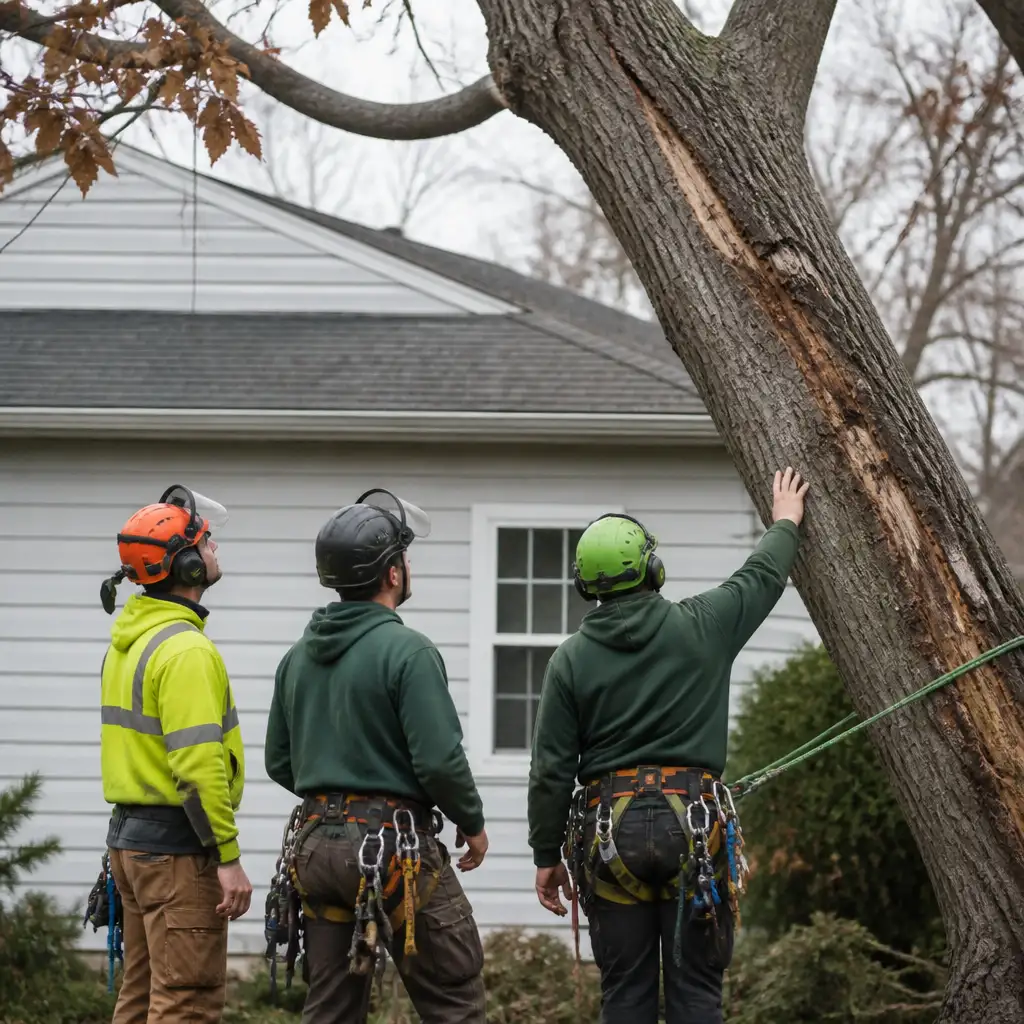
Strong winds can reveal hidden weaknesses in trees that seemed fine before a storm. In Taunton, MA and surrounding communities, property owners often discover leaning trunks, deep cracks, or soft, decayed areas in the days after a wind event. These conditions can quickly turn a healthy yard into a safety hazard for people, homes, vehicles, and nearby structures.
This article explains clear warning signs to watch for after heavy winds, how to decide between urgent and scheduled hazardous tree removal, and the practical emergency steps you should take while waiting for professional help. Seasonal storm patterns — spring nor’easters, summer thunderstorms, and fall nor’easters — mean this topic is relevant throughout the year for homeowners and business owners in Southeastern Massachusetts.
Norman Tree Service provides local, experienced responses to storm-damaged and hazardous trees in Taunton, surrounding towns, and throughout Southeastern Massachusetts. Knowing what to look for and what to do next can help keep your property and family safe.
How Strong Winds Cause Tree Failures in Taunton
Wind can expose structural weaknesses that are otherwise hidden. Rapid gusts and sustained high winds place pressure on the canopy and trunk, transferring force down into roots and the trunk core. Trees with previous damage, internal decay, or poor root structure are most likely to fail after a wind event.
Taunton properties often have mature shade trees close to homes and driveways. While mature trees add value and shade, older trees can develop internal decay, shallow roots in compacted soils, or cracks at branch unions. After storms, these vulnerabilities increase the chance of partial or complete failure.
Understanding how wind loads affect a tree helps property owners prioritise inspections after storms. If you’re unsure about a tree’s condition, professional assessment can identify hidden issues and recommend whether the tree needs hazardous tree removal or ongoing monitoring.
For properties with obvious storm damage, consider contacting a local provider experienced in post-storm responses; Norman Tree Service offers both routine and urgent storm responses across Southeastern Massachusetts and can provide quick assessments.
Warning Signs: Leaning Trees and Root Failures
A lean that appears or worsens after a storm is one of the clearest signs of instability. Watch for sudden leaning or a tree that doesn’t return upright after high winds. A new lean indicates the root plate may be shifting, roots may be torn, or soil around the roots has become saturated and unstable.
Other root-related signs include cracked or heaving soil at the base of the tree, exposed roots, and cracks radiating from the trunk toward the root flare. Trees with root decay from fungi or prolonged soil compaction may show minimal leaf loss but still be structurally unsound below ground.
If a leaning tree is near a house, garage, fence, or power line, treat the situation as potentially dangerous. For urgent situations, you should keep people and vehicles away and contact emergency tree services immediately rather than attempting any DIY fixes.
Warning Signs: Cracks, Splits, and Trunk Decay
Visible cracks and splits in the trunk or major limbs are serious red flags. Longitudinal cracks or deep splits near branch unions can indicate the tree’s structural integrity is compromised. Cavities, soft or crumbly wood, fungal conks (mushroom-like growths), and large areas of missing bark often point to advanced decay.
Decay can be internal and hard to spot, but external indicators are reliable signals to call for a professional inspection. Don’t wait for a limb to fall—damage from a cracked trunk can escalate quickly, especially with additional wind, snow, or ice loads.
Licensed, insured tree professionals use visual assessment and experience to determine the extent of decay and whether hazardous tree removal is required. In many cases, removal is the safest option to protect people and property when major structural decay exists.
Warning Signs: Broken or Hanging Limbs and Canopy Damage
Broken or hanging limbs after a storm present immediate hazards. A limb that’s partially attached — often called a “widow-maker” — can fall without warning, especially under wind or the weight of snow and ice. Look for large cracks at the base of broken limbs, frayed wood fibers, or limbs suspended by other branches.
Widespread canopy damage, such as multiple broken leaders or a visibly lopsided crown, affects the tree’s balance and increases the risk of further failure. Even if the trunk looks stable, a compromised canopy can shift weight distribution and cause secondary failures in the near term.
When broken limbs hang over high-traffic areas like driveways, patios, or paths, you should cordon off the area and request urgent removal. Professionals can remove hazards safely using rigging and proper equipment to protect landscapes and structures.
When to Call for Emergency vs. Scheduled Hazardous Tree Removal
Deciding between emergency and scheduled hazardous tree removal depends on immediate risk. Call for emergency tree services when a tree or large limb is blocking access, leaning against a structure, obstructing a road, or endangering power lines. In these cases, rapid response reduces the chance of injury or further property damage.
Scheduled hazardous tree removal is appropriate when the tree shows concerning signs but is not an immediate threat — for example, visible decay, moderate leaning that hasn’t worsened since the storm, or major cracks without imminent collapse. Scheduling allows a professional crew to plan for safe removal with the right equipment and traffic or property protection measures.
When you contact a tree service, describe the location, the visible damage, and whether anyone is injured or trapped. If a tree has fallen across a power line, contact the utility company first and keep everyone away from the area. For other urgent situations, reach out for emergency tree removal so professionals can stabilise or remove the hazard quickly.
Norman Tree Service responds to post-storm hazards across Taunton and nearby towns and can advise whether a situation requires immediate action or planned removal.
What to Expect from a Professional Hazardous Tree Removal Service in Southeastern Massachusetts
A licensed and insured crew will begin with a site assessment to document hazards and outline a safe work plan. Professionals look at root condition, trunk integrity, canopy stability, nearby structures, and access constraints. Safety plans often include traffic control, property protection, and the use of rigging or bucket trucks when necessary.
Experienced tree professionals bring appropriate equipment to minimise property impact. Expect crews to wear PPE, use ropes and rigging to lower limbs and sections safely, and clear debris efficiently. Good providers prioritise communication — they explain risks, the recommended approach, and a clear estimate before starting work.
Choosing a fully licensed and insured company provides protection for both the crew and your property. Norman Tree Service maintains licensing, insurance, and a safety-first approach, and our teams are familiar with local conditions in Taunton, New Bedford, Fall River, and throughout the region.
If removal is required, professionals will also advise on follow-up steps such as stump safety (note: stump removal services are not discussed here), replanting options, and preventative maintenance to reduce future storm risk.
Frequently Asked Questions
Q: How quickly should I call for hazardous tree removal after a windstorm?
A: Call immediately if the tree threatens people, structures, access, or utilities. For non-immediate issues like visible decay or minor leaning with no nearby targets, schedule an inspection within a few days so risks don’t worsen.
Q: Can I remove a leaning or cracked tree myself?
A: No. Hazardous tree removal requires specialised equipment, rigging, and trained crews. DIY attempts can increase the risk of injury, property damage, or uncontrolled collapse. Contact professional emergency tree services for dangerous situations.
Q: What should I tell the tree service when I call after storm damage?
A: Describe the tree’s location, visible damage (leaning, cracks, hanging limbs, proximity to structures or power lines), whether anyone is in immediate danger, and any access limitations. Clear information helps crews prepare the right response.
For urgent storm-damaged trees that threaten safety, consider contacting specialists who provide prompt post-storm responses. If your property has visible damage after heavy winds, an early inspection can prevent a small problem from becoming a costly emergency.
Not every hazardous tree shows obvious warning signs. If you are concerned about a tree’s condition, Norman Tree Service can help evaluate potential risks before they become costly emergencies. Contact us today to schedule an inspection.