
Signs a Storm-Damaged Tree in Rehoboth, MA Needs Emergency Hazardous Tree Removal
Introduction
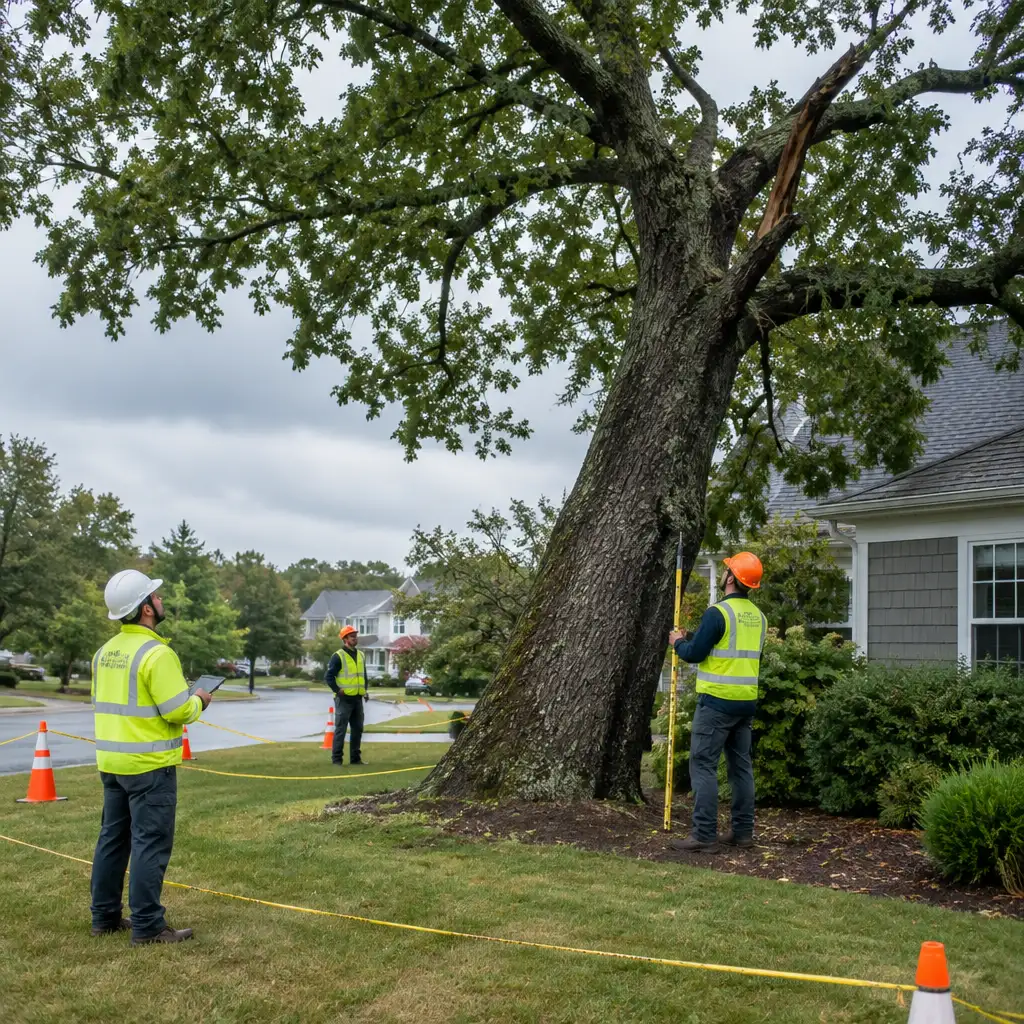
Strong summer thunderstorms, nor’easters, and occasional lightning strikes can leave trees on Rehoboth properties damaged in ways that aren’t always obvious at first glance. A tree that looks stable today can become a serious hazard after heavy winds or a lightning strike, threatening homes, vehicles, power lines, and people. Understanding the warning signs of a storm-damaged tree helps homeowners act quickly and avoid escalating danger.
For homeowners in Rehoboth, seasonal storms make hazardous tree removal an important part of property protection and long-term safety. The right response can mean the difference between a minor cleanup and an emergency situation that endangers your family or requires road closures. This article focuses on clear, practical signs that a storm-damaged tree needs immediate professional attention and explains what to do while you wait for help.
Norman Tree Service serves Rehoboth and nearby communities with emergency tree services and hazardous tree removal, combining experienced crews, modern equipment, and strict safety procedures to protect property and people. If you suspect a dangerous tree on your property, quick assessment and action are essential—especially after heavy winds or lightning.
Table of Contents
- Introduction
- Recognizing Immediate Danger After Heavy Winds or Lightning
- Visible Structural Damage: Cracks, Splits, and Leaning Trees
- Damage to Roots, Soil, and Tree Base You Can’t Ignore
- When Fallen or Hanging Limbs Create Immediate Hazards
- What to Do Right Away: Safety Steps for Rehoboth Homeowners
- When to Call Emergency Hazardous Tree Removal Services in Rehoboth
- Frequently Asked Questions
Recognizing Immediate Danger After Heavy Winds or Lightning
After a storm, walk your property from a safe distance and look for obvious signs of risk. Heavy gusts and lightning often cause damage that isn’t limited to the canopy: trunks, major limbs, and root systems can be compromised. If a tree leans more than it did before the storm, has visible splits, or emits creaking sounds in the wind, treat it as potentially hazardous.
Lightning can travel down a tree’s trunk and strip bark or create long vertical splits. Those splits weaken the tree’s structural integrity and invite decay and infestation. Even if a tree still appears leafy, internal damage may be severe. For Rehoboth homeowners, evaluating these conditions quickly helps reduce risk to nearby structures and people.
Keep in mind local seasonal patterns: summer storms and fall nor’easters are common triggers for storm-related failures. If you’re unsure whether damage warrants removal, a professional assessment can determine whether hazardous tree removal is needed now or if monitored repairs will suffice.
Visible Structural Damage: Cracks, Splits, and Leaning Trees
Large cracks or splits in a trunk or main scaffold branch are one of the clearest signs that a tree is structurally compromised. These defects can appear suddenly during heavy winds or develop over time after a lightning hit. A trunk with a deep crack means the tree’s core strength is reduced and may fail without warning.
Leaning trees that weren’t leaning before the storm are also a red flag. A significant new lean indicates root or soil failure and increases the chance the tree will fall in future winds. Watch for soil movement at the base, exposed roots, or a gap forming between roots and the ground—these suggest the tree has lost support and may require immediate hazardous tree removal.
Visible decay or fungal fruiting bodies (mushrooms) on the trunk or at the root collar often point to internal rot. After a storm, decay signals that branches or the entire tree could fail. In these cases, professional removal is usually the safest option, especially if the tree sits near a house, driveway, or utility lines.
Damage to Roots, Soil, and Tree Base You Can’t Ignore
Root damage is often harder to spot than broken limbs, but it’s a common cause of tree failure after storms. Uplifted soil, torn root flares, or exposed roots near the trunk indicate the tree has lost anchorage. Even without obvious trunk cracks, root failure can lead to sudden toppling, especially during follow-up storms.
Check the soil around the base for depressions, heaved earth, or new pooling water. Saturated soil after heavy rain exacerbates root instability. In Rehoboth’s mixed soils, long periods of rain during hurricane season or rapid snow melt can further reduce root-holding capacity, making formerly stable trees dangerous.
When root or base damage is suspected, avoid applying weight or pressure near the trunk (don’t drive vehicles or park trailers nearby). Contact professionals to evaluate the root system and recommend timely hazardous tree removal if the tree poses a risk to people or structures.
When Fallen or Hanging Limbs Create Immediate Hazards
Hangers—large branches that have partially broken and are suspended in the canopy or caught in other trees—are deceptively dangerous. They can fall without warning, especially as wind shifts or when responders try to remove debris. A suspended limb over a roof, deck, car, or play area is a candidate for urgent removal because it puts people and property directly below at risk.
Completely fallen trees that block driveways, access points, or public ways create immediate safety and access issues and often require emergency tree services. Even if the tree doesn’t end up on a structure, a fallen trunk that has cracked a gas line, damaged electrical service, or trapped a vehicle requires immediate professional response. Do not approach or attempt to move large fallen wood yourself.
Partial failures where one side of a tree is heavily damaged can lead to progressive collapse. Professional crews use rigging and controlled removal techniques to remove hangers and unstable sections safely without creating more damage to the property.
What to Do Right Away: Safety Steps for Rehoboth Homeowners
Your first priority after a storm is personal safety. Keep family members and pets clear of the damaged area, and do not attempt to climb or cut large limbs. Downed power lines mixed with tree limbs create one of the most dangerous scenarios; always assume a downed line is live and dangerous. If there are electrical hazards, contact your utility provider immediately and keep everyone well away from the scene.
Document damage with photos from a safe distance for insurance purposes, then call professionals who offer emergency hazardous tree removal. Norman Tree Service provides emergency tree services across Southeastern Massachusetts and can advise whether a tree needs immediate removal or monitored stabilization. If there is any chance the tree could hit your home or block an exit, request prompt assistance.
While you wait for help, secure the area: rope off the hazard if possible, keep vehicles and equipment away, and alert neighbors if the risk extends beyond your property. If access to your home is blocked, or if the tree has affected utilities, consider temporary relocation until professionals confirm the area is secure.
When to Call Emergency Hazardous Tree Removal Services in Rehoboth
Call emergency hazardous tree removal when a tree poses an immediate threat to life, property, or critical access. Specific triggers include: visible trunk cracks or major splits, a severe new lean, roots pulled from the ground, large hanging limbs over structures or high-traffic areas, and trees that have made contact with power lines. If you notice any of these signs after heavy winds or lightning, don’t wait.
Emergency crews are equipped to work safely around utilities, secure unstable trees, and perform controlled removals using modern equipment and rigging. Choosing a licensed and insured Rehoboth tree service ensures accountability and protection for your property during an urgent removal. Norman Tree Service is fully licensed and insured and trained to respond to storm-damaged situations across Southeastern Massachusetts.
If you need immediate help, contact emergency responders for life-threatening situations first, then reach out to professional tree service teams for hazardous tree removal and storm damage tree services. Emergency tree technicians can assess risk, stabilise structures when possible, and safely remove hazards to restore property access and safety.
Frequently Asked Questions
Q: How fast should I act after seeing storm damage to a tree near my house?
A: If the tree shows structural damage—large splits, a new lean, or exposed roots—or if large limbs hang over the house or driveway, act immediately. Secure the area and contact emergency tree services. For life-threatening events, call 911 first.
Q: Can I remove dangerous branches myself after a storm?
A: No. Removing large or suspended branches is risky and can make the situation worse. Professional crews use rigging and safety equipment to lower sections without causing further damage. For safe removal, call a licensed and insured tree service.
Q: Will my homeowner’s insurance cover hazardous tree removal after a storm?
A: Coverage varies by policy. Document the damage with photos and contact your insurance provider as soon as possible. Professional assessments and invoices from an experienced tree removal company can help support claims for storm damage and emergency removals.
Storm damage and fallen trees can create dangerous situations that require immediate attention. Norman Tree Service provides emergency tree services throughout Southeastern Massachusetts and is prepared to respond when urgent tree-related issues arise.