
Seasonal Tree Maintenance Checklist for Lakeville, MA Homeowners to Reduce Emergency Tree Services Year-Round
Introduction
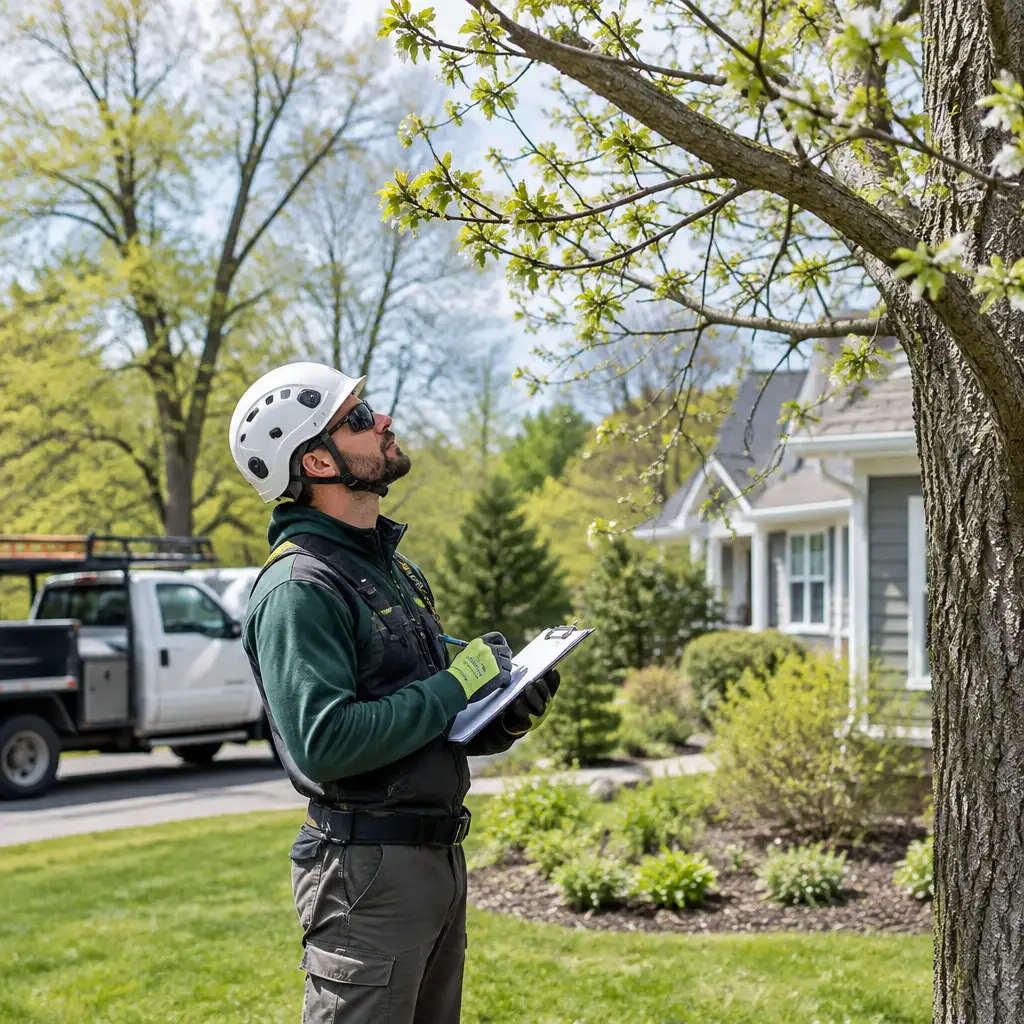
Living in Lakeville means beautiful yards and mature trees that shade our homes, stabilize soils, and add value to properties. But without a routine approach to tree care, small issues can become safety hazards that lead to unexpected, costly emergency tree services. A seasonal maintenance plan helps homeowners spot problems early, protect structures, and keep trees healthy through New England weather extremes.
This article lays out a practical, quarterly tree maintenance checklist tailored to Lakeville homeowners. You’ll find inspection tips, recommended pruning and trimming windows, storm-prep steps, and winter checks so you can reduce risk and minimize emergency calls any time of year. The guidance is local, realistic, and safety-focused.
Norman Tree Service brings over a decade of experience serving Southeastern Massachusetts, including Lakeville. The schedule below emphasizes proactive care—routine inspections, timely pruning, and knowing when to call licensed professionals—to protect your property and your family.
Spring: Inspect and Recover After Winter
Spring is the first opportunity each year to evaluate how trees fared through snow, ice, and wind. Begin with a walk-around inspection: look for cracked limbs, split trunks, root heaving, and new cavities. Pay close attention to trees near roofs, driveways, and utility lines—things commonly damaged by winter weather.
Remove broken branches and deadwood early in the season to reduce pest and disease pressure. This is also an ideal time to schedule structural pruning on young trees so they develop strong branch architecture. For many routine trimming and shaping tasks, professional tree trimming services ensure proper cuts that promote health and reduce future hazards.
If you spot leaning trees, major trunk damage, or significant decay, document the condition with photos and contact a licensed crew for assessment. Choosing a licensed and insured tree service gives you accountability and peace of mind if hazardous tree removal or more complex work is recommended.
Summer: Storm Preparation and Mid-Year Maintenance
Summer brings thunderstorms and the potential for severe wind events. Mid-season maintenance reduces the chance of storm-related failures: thin out dense crowns to lessen wind sail, remove hazardous dead branches, and maintain clearances from roofs and lines. Look for signs of stress—early leaf drop, discoloration, or dieback—which can indicate pests or root issues.
Clear gutters and remove limbs that overhang driveways or patios. During hurricane season or heavy wind forecasts, secure outdoor items and trim suspect branches in advance. If a storm creates immediate danger—fallen limbs on structures or large limbs blocking access—contact emergency tree services to respond safely and quickly.
Summer is also a good time to plan any larger projects that require permits or staging, like removing a hazardous tree near your home. Early planning avoids rushed decisions during storm season and keeps costs down by preventing emergency interventions.
Fall: Preventative Pruning and Winter Readiness
Fall is a critical window for preventative pruning. As trees go dormant, pruning cuts heal more predictably and you can remove dead or weak branches before heavy snow and ice arrive. Focus on removing crossing branches, reducing crowded canopies, and cutting back limbs that threaten structures.
Inspect root collars and low branches for damage, and check the soil grade around foundations for changes that might expose roots. Fall is also a good time to mulch and water newly planted trees so they enter winter healthy. Avoid major pruning too late in the season—leave significant structural pruning to professionals who can advise on timing specific to species.
Document trees of concern and consider a professional assessment for any candidates for hazardous tree removal. Preventative work in fall often prevents costly emergency work in winter storms.
Winter: Snow, Ice, and Emergency Readiness
Winter exposes trees to heavy snow loads and ice accumulation, which can create sudden hazards. After significant snowfall, inspect trees for large, heavy limbs that could buckle under weight. Do not attempt to cut or remove large hanging limbs yourself—ice makes branches unpredictable and dangerous.
Keep an emergency plan: know who to call for urgent tree threats, document your property access, and clear pathways to minimize response time. Norman Tree Service and other professional crews are available for urgent situations; using a licensed and insured service reduces risk to your property and ensures safe removal when required.
Winter is also the season to check insurance and emergency contacts. Keep a list that includes your tree service, local utility contacts, and municipal emergency numbers. If you’re a veteran, remember Norman Tree Service offers a 10% discount—ask about available discounts when you schedule.
Quarterly Pruning and Pruning Windows for Lakeville Trees
Different species and tree ages have ideal pruning windows. As a general rule, avoid heavy pruning in late fall on species that bleed heavily in spring. Instead, schedule structural pruning in late winter to early spring before bud break for many deciduous trees, and use early summer for light thinning and hazard limb removal.
Young trees benefit from regular, light pruning every quarter during the first several years to set up a strong scaffold system. Mature trees typically need targeted pruning annually or every few years depending on health and growth. Consistent maintenance reduces the need for drastic corrective cuts and lowers the likelihood of emergency tree removal later on.
When planning pruning, factor in local considerations—proximity to septic systems, underground utilities, and proximity to neighbours. When in doubt about timing or technique, consult experienced tree care professionals who can suggest a tailored pruning schedule that preserves tree health and property safety.
Proactive Hazard Assessment and When to Call Professionals
Routine inspections are the backbone of good tree maintenance. Every quarter, look for warning signs: trunk cavities, fungus conks, significant lean changes, root heave, or large dead branches. These indicators suggest elevated risk and warrant a professional evaluation to prevent emergency situations.
There are times when professional intervention is required: compromised structural integrity, large dead limbs over structures, or trees affecting utility lines. For hazardous tree removal or complex rigging near buildings, hire local tree care experts who use modern equipment and follow strict safety protocols. Norman Tree Service is a fully licensed and insured tree service, which matters because it protects homeowners and ensures work follows industry standards.
Scheduling a formal inspection early—especially after spring thaw and before peak storm seasons—lets crews plan maintenance or recommend professional tree removal if necessary. For many Lakeville homeowners, proactive evaluations reduce costly emergency calls and protect property values and safety. To learn more about our approach and local service area, visit Norman Tree Service to read about our professional tree care and local expertise.
Frequently Asked Questions
Q: How often should I have my trees inspected?
A: Homeowners should perform a basic visual inspection quarterly and schedule a professional inspection annually or after severe storms. More frequent checks are advised for trees near structures or showing decline.
Q: Can I prune hazardous branches myself to save money?
A: Small, low limbs may be safely trimmed by experienced homeowners using proper tools, but hazardous branches, large limbs, and work near utilities require professional crews to avoid injury and property damage. Hiring a licensed and insured company ensures safe, compliant work.
Q: What should I do after a storm damages a tree?
A: Stay clear of downed limbs and trees, especially around power lines. Document damage with photos, then contact a professional for an assessment. For urgent risks—such as trees leaning on structures—reach out to emergency tree services immediately.
Routine tree maintenance is one of the best ways to protect your property and reduce the likelihood of future problems. Norman Tree Service offers professional maintenance services designed to keep your trees healthy and safe year-round.