
Preparing Roof and Utility Clearance: Winter Tree Trimming Guide for Dighton, MA Homeowners
Winter brings beauty to Dighton, MA, but it also increases the risk that overhanging branches will damage roofs, gutters, or utility lines. Heavy snow and ice add weight to limbs that were safe all year, and a single break can lead to costly repairs or power outages for your home or neighborhood.
This guide explains why tree trimming matters in winter, how careful trimming improves roof and utility clearance, and when to call a professional. Whether you own an older Cape or a newer suburban home in Southeastern Massachusetts, practical winter-prep trimming reduces ice damage and keeps properties safer during storms.
Norman Tree Service serves homeowners across the area and offers licensed, insured tree care tailored to local winter weather. If you’re planning winter work, this article provides actionable steps to prepare your trees and coordinate with a trustworthy crew.
Why winter trimming matters for Dighton roofs and utilities
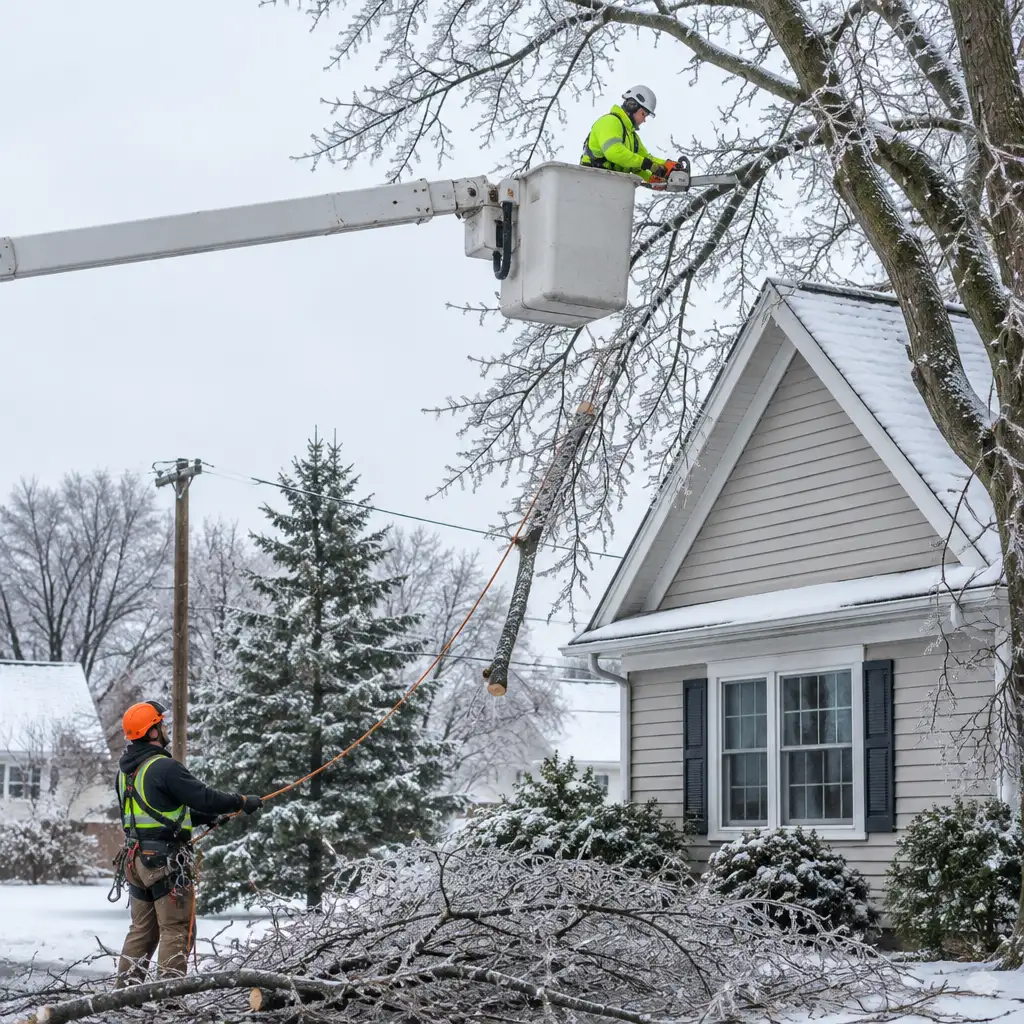
Winter conditions in Southeastern Massachusetts—freezing rain, ice, and heavy snow—significantly increase the load on tree branches. Limbs that overhang roofs or hang near utility lines are especially vulnerable. When ice accumulates, weak or poorly structured branches can suddenly fail, dropping onto shingles, gutters, or electrical lines.
Trimming before heavy ice events reduces contact points where ice can form, and it lowers the chance that a branch will pivot and tear off roof material. For utility lines, creating safe clearance prevents outages and reduces the risk to crews who may need to perform emergency repairs during a storm.
Beyond immediate protection, winter trimming can improve tree health. Removing weight from large, crowded limbs allows the tree to better shed snow and ice, and selective trimming in dormancy helps preserve natural branch structure for growth in spring.
Safety first: when to call professionals vs. DIY
Homeowners can handle small clearance tasks safely—like snapping off thin, dead branches away from the roof using a pole saw from the ground. However, any job near utility lines or involving large, loaded limbs should be left to trained crews. Working around power lines is hazardous and needs coordination with the utility company and specialized equipment.
Signs you should call a professional include branches thicker than 3–4 inches, limbs touching or within a few feet of power lines, limbs that are dead or split, and trees with structural defects near your home. Professionals bring rigging gear, bucket trucks, and insurance that protect your property and liability.
Choose a licensed and insured tree company that follows safety best practices. A reputable provider will assess risks, explain options, and coordinate any required permits or utility notifications. For urgent winter damage, professionals offering emergency tree services can respond quickly and safely.
Practical trimming priorities to improve roof and utility clearance
When planning winter trimming, focus on the most critical clearance priorities. First, clear branches that overhang roofs by a safe margin—typically at least several feet beyond the eaves—so falling limbs won’t land directly on roofing or gutters. Second, create and maintain approved clearance from utility lines; your local power company may specify minimum distances.
Prioritize dead, diseased, or fractured limbs that could fail under ice load. Thin the canopy selectively to reduce weight without over-pruning: removing a few strategically placed limbs is usually safer and healthier than drastic cuts that stress the tree. For trees close to driveways or walkways, improve sightlines and drop zones so falling debris clears structures and foot traffic areas.
A simple priority checklist for winter trimming:
- Remove visibly dead or cracked limbs over roofs and walkways.
- Trim branches that are within the utility clearance zone or that could fall onto lines.
- Thin crowded branches to reduce ice catchment and overall limb weight.
- Address leaning or structurally compromised trees that threaten structures.
These steps reduce immediate risk and lower the chance of emergency tree services being needed during a storm.
Preparing your property and contractor for winter trimming day
Before crews arrive, clear the work area around the home and park vehicles away from the work zone. If you have solar panels, antennas, satellite dishes, or delicate roof features, point them out to the crew so they can plan cuts and rigging appropriately. Inside the house, close skylights and protect attic vents to prevent debris entry during work.
Ask your contractor for a written plan: scope of work, estimated timeframe, safety measures, and cleanup expectations. Confirm the company is fully licensed and insured and will provide proof if requested. Norman Tree Service and other responsible providers can explain rigging methods, equipment use, and how they coordinate near utilities.
On the day of the job, expect a safety perimeter and professional PPE. A good crew will remove trimmed branches and chip or stack debris away from structures. If they need to work near power lines, expect coordination with your utility company—this may affect scheduling and requires professional oversight for safety.
How winter trimming reduces ice damage and emergency tree risks
Selective trimming reduces the surface area where ice can form and the number of weak attachment points that fail under load. By removing crowded or crossing limbs, crews help wind and thaw cycles shed snow and ice more effectively, preventing “sail” effects that can snap branches or uproot trees.
Reducing risk before storms also means fewer emergency responses. When heavy ice forms on a weakened limb, the failure is often sudden and unpredictable. Preventative trimming lowers the probability of a branch falling in a dangerous direction, which protects roofs, vehicles, and people. This proactive approach is a core aspect of year-round tree maintenance.
Additionally, properly timed winter trimming supports long-term tree structure. Work done in dormancy encourages clear branch architecture in spring and reduces the need for larger corrective cuts later, saving money and minimizing stress on the tree.
Scheduling, permits, and what to expect from a professional service
Plan trimming well before predicted ice or snow events. Winter schedules can fill quickly because homeowners want work done before storms. Contact your chosen provider early to set a date that allows for assessment and any necessary coordination with utilities or local permits.
Ask whether the job requires municipal permits or utility notifications. In some areas, work that affects public right-of-way or major utility lines needs prior approval. A professional team should handle those communications and advise you on timing and cost implications.
On site, the crew will perform a final safety assessment and confirm the agreed scope. Expect clear communication about falling zones, load placement, and cleanup. After the trimming, review the work with the crew leader to ensure you understand what was done and any follow-up recommendations, such as additional pruning in spring or structural pruning for long-term health.
Frequently Asked Questions
Q: When is the best time in winter to trim branches that threaten my roof?
A: Late fall through early winter, before major ice events, is ideal for clearance work. Trimming while trees are dormant reduces stress and makes it easier to see branch structure. Avoid heavy snowstorms or icy conditions during active work days for safety.
Q: Can I trim branches that are close to my power lines myself?
A: No. Any work near utility lines is hazardous and should be performed by professionals who coordinate with the utility company. Licensed crews have the equipment and training to work safely around power lines and to arrange de-energizing when necessary.
Q: How do I choose a contractor for winter tree trimming?
A: Select a fully licensed and insured company with clear safety procedures and local experience in Southeastern Massachusetts. Ask for references, proof of insurance, and a written estimate. A reputable service will explain their trimming strategy, cleanup plan, and any necessary permits. For routine work or emergency response, look for a provider that offers both seasonal tree trimming services and emergency tree services.
For homeowners in Dighton and nearby communities, planning and professional support are key to protecting roofs, utility lines, and property during winter. Early, selective trimming done by experienced teams reduces ice-related failures and helps maintain long-term tree health.
Need help planning winter trimming or assessing a risky tree near your home? Norman Tree Service provides professional tree trimming services across Southeastern Massachusetts and can evaluate clearance needs, safety concerns, and scheduling—helping you prepare before ice and snow arrive.
Professional tree trimming can improve safety, appearance, and long-term tree health. Norman Tree Service provides expert trimming services throughout Southeastern Massachusetts. Contact us today to discuss your property’s tree care needs.