
A Homeowner’s Guide to Structural Pruning for Mature Shade Trees in Dartmouth, MA Ahead of Winter
Introduction
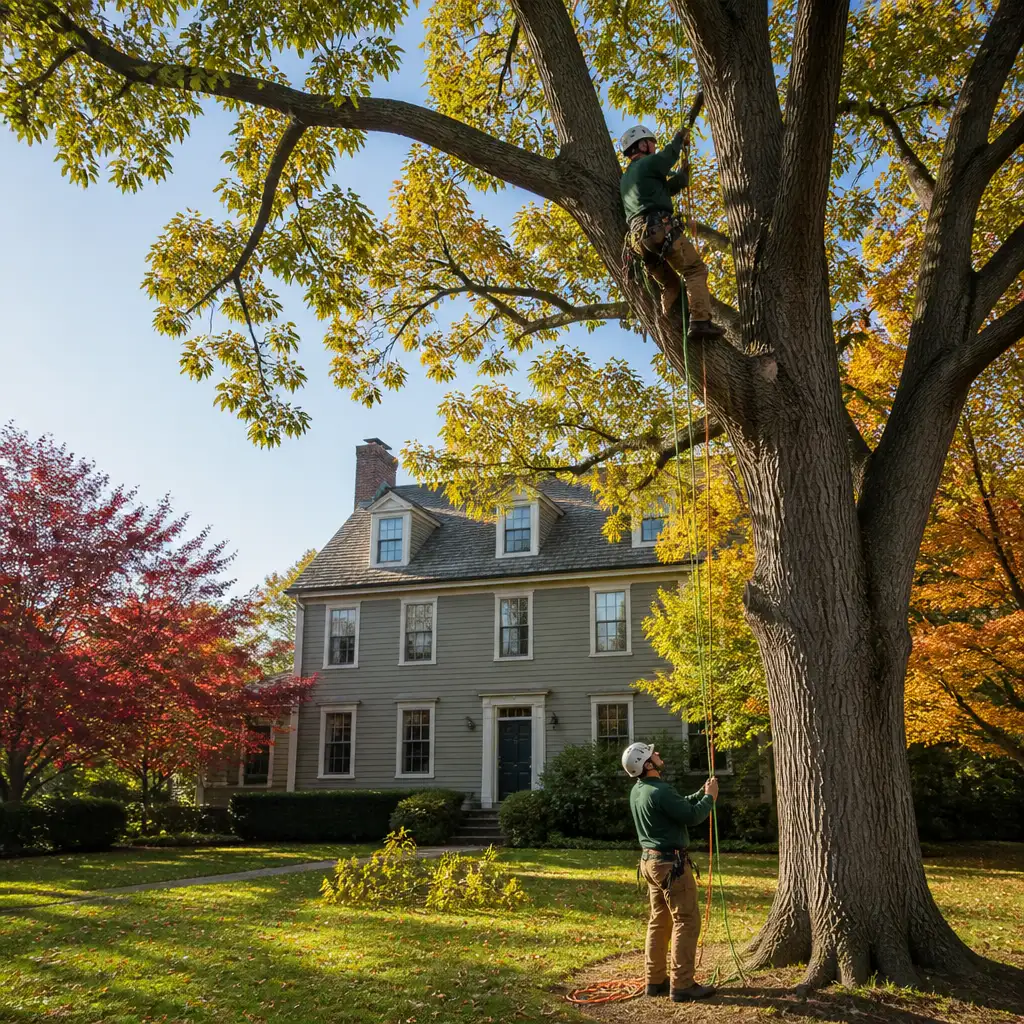
Many homeowners in Dartmouth worry about how mature shade trees will fare when snow and ice arrive. Large limbs can collect heavy snow, weak crotches can split under ice, and poorly balanced canopies increase the risk of storm damage. Preparing trees before winter reduces the chance of costly damage to roofs, gardens, driveways and historic property features.
This guide explains practical structural pruning techniques you can expect for mature shade trees, why timing matters, and which jobs a homeowner can reasonably handle versus those that need a professional crew. We focus on clear, non-technical advice for residential and historic properties throughout Southeastern Massachusetts.
Norman Tree Service has more than a decade of experience helping Dartmouth and nearby communities protect property through careful pruning and proactive maintenance. Read on to learn how careful pruning this fall can improve winter stability and long-term tree health for the trees you value most.
Why structural tree pruning matters for mature shade trees in Dartmouth
Mature shade trees provide cooling, character and value to Dartmouth properties, but their size also brings responsibility. Over decades, branches grow heavy, unions can weaken, and cavities develop. Structural pruning focuses on correcting those long-term growth patterns so trees shed snow and ice safely and remain healthy for years.
Well-planned structural pruning reduces the likelihood of large branch failures that cause property damage or create safety hazards. This is especially important on historic lots where old trees are part of the landscape but may have hidden defects. Proper pruning helps preserve those trees while protecting homes and outbuildings.
For homeowners considering work this season, professional tree trimming teams can combine pruning with an assessment for potential hazardous trees and recommend ongoing tree maintenance plans tailored to local species and microclimates in Dartmouth and surrounding towns.
Best timing: why fall pruning helps ahead of winter
Early to mid-fall is an ideal time for structural pruning of mature shade trees. With leaves dropping, the branch structure is visible and crews can quickly identify weak or crossing limbs. Pruning in fall gives wounds time to begin sealing before spring, and it reduces the surface area that will catch snow and ice.
Pruning too late in winter risks working on frozen wood, which can be brittle and more likely to split. In contrast, summer pruning can stress trees when they’re actively growing. For most hardwood shade species common in Southeastern Massachusetts, fall pruning strikes the right balance between visibility, tree health and preparation for snow loads.
When planning fall pruning, consider local weather forecasts and schedule work well before the first heavy snowfall. If a tree shows advanced decay or instability, contact professionals who provide emergency tree services to discuss earlier intervention.
Practical structural pruning techniques homeowners should know
Structural pruning is about selective cuts that improve long-term form rather than drastic reduction. Key techniques include removing rubbing or crossing branches, thinning the canopy to reduce wind and snow load, and shortening long, heavy limbs to reduce leverage on the trunk. These actions improve balance and reduce the chance of catastrophic breaks in winter storms.
Homeowners should understand three accessible concepts: (1) remove only what’s necessary to improve structure, (2) make clean cuts at or just outside the branch collar to help natural healing, and (3) avoid topping or over-pruning, which weakens trees. For many yards, a series of small, thoughtful cuts across a few seasons is better than large removals at once.
If you’re curious about professional options, our tree trimming page describes the kinds of pruning and trimming work typically recommended for mature shade trees. Professional crews can match technique to species and age to preserve long-term health while improving winter stability.
Assessing mature trees: signs you need professional pruning or removal
Not every large limb needs pruning, but certain signs suggest a professional evaluation is wise. Look for large cracks, sudden changes in canopy shape, cavities at the base or major forks with included bark. These indicate structural weakness and can turn into safety hazards during snow or ice events.
Other warning signs include dead major limbs, fungal growths on the trunk, or a persistent lean that has developed recently. Historic properties often have older trees with hidden internal decay; an experienced crew can combine visual inspection with climbing-based checks to make a safe recommendation.
When a tree is beyond pruning and poses a threat, professional tree removal may be the safest option. Norman Tree Service provides thorough assessments and, when needed, safe, licensed tree removal services to protect property and people across Dartmouth and neighbouring towns.
Safety, equipment and what to expect from a licensed team
Safety is central to every pruning job. Professional teams arrive with personal protective equipment, ropes, rigging and chippers designed to reduce risk and limit damage to lawns and structures. For work near houses, crews plan cuts and rigging carefully to drop branches in controlled sections.
Hiring a fully licensed and insured team protects you and your property. Licensed teams follow recognised safety practices and carry insurance for liability — important for homeowners who want peace of mind during larger pruning projects. Norman Tree Service is licensed and insured and follows strict safety procedures on every job.
If the work is urgent after a storm or you discover a dangerous failure, you can rely on emergency tree services for rapid response. Discussing expectations, timelines and cleanup procedures with your crew ahead of work will help preserve gardens and driveways while delivering the pruning results you need.
Aftercare and long-term tree maintenance for winter resilience
After pruning, routine inspections help catch problems before they escalate. Seasonal tree maintenance — annual check-ups in spring or fall — ensures pruning is paced over time so trees remain healthy and balanced. Regular maintenance also reduces the chance of sudden failures in storms and makes emergency response less likely.
Mulching and targeted watering support recovery after pruning, particularly for younger retained stems. Avoid heavy fertilisation late in the season; the goal is to support root health without encouraging late growth that could be damaged by early frosts. Keep a record of major cuts and recommendations so future crews understand the tree’s history.
If you’d like a tailored plan, contact Norman Tree Service to schedule a consultation. Their local experience across Dartmouth, New Bedford and Fall River means they can suggest species-appropriate pruning cycles that suit historic landscapes and modern yards alike.
Frequently Asked Questions
Q: When is the best month to prune trees in Dartmouth to prepare for snow?
A: For most mature shade trees, early to mid-fall — typically September to November in Southeastern Massachusetts — is best. Leaves have dropped or are falling, making structure visible, and trees have time to begin healing before harsh winter weather.
Q: Can I prune large branches myself to save money?
A: Small corrective cuts and removal of small dead branches are often safe for homeowners with the right tools and knowledge. However, large limbs, high work or cuts near roofs and powerlines are best left to licensed professionals who use appropriate rigging and safety procedures to avoid injury or property damage.
Q: How does structural pruning reduce storm damage risk?
A: Structural pruning removes weak attachments, reduces canopy weight and improves branch distribution. This lowers the chance that heavy snow or ice will overload a limb or cause a split, helping trees better withstand winter weather and reducing the need for emergency tree services.
Proper tree pruning helps encourage healthy growth while reducing future risks. Norman Tree Service can help determine the best pruning strategy for your trees and property. Contact us today for professional guidance.