
A Business Owner’s Guide to Utility Line and Roof Clearance Tree Trimming in Fairhaven, MA Before Hurricane Season
Introduction
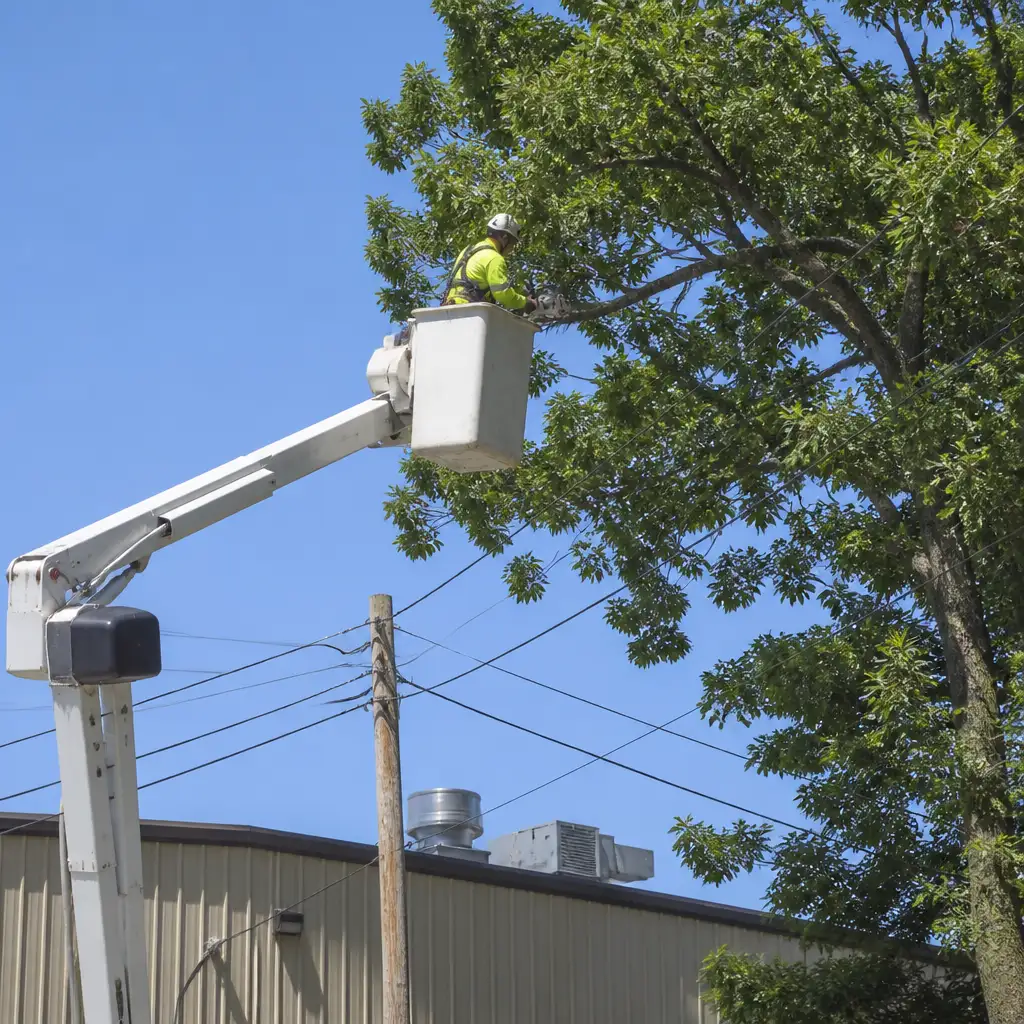
In Fairhaven, MA, commercial properties face a particular risk when hurricane season approaches: trees and large branches can damage roofs, signs, and utility lines, disrupting operations and creating safety hazards. For business owners and property managers, timely tree trimming to clear roofs and utility corridors is a practical step that reduces storm-related risk and protects customers, employees, and assets.
Seasonal trimming is not only about aesthetics. In the weeks before hurricane season, targeted trimming reduces the chance of falling limbs, limits interference with power lines, and helps preserve roof integrity. Planning this work early gives crews time to coordinate with utilities, obtain necessary permits, and complete work in safe conditions.
Norman Tree Service works with businesses throughout Southeastern Massachusetts to provide professional, licensed, and insured tree care. If you want to learn more about the specific services we offer, consider our tree trimming services for seasonal and safety-focused work.
Why pre-hurricane roof and utility clearance matters in Fairhaven
Fairhaven’s coastal location makes it vulnerable to strong winds, salt air stress on trees, and occasional severe storms. Trees that stand close to roofs, gutters, and signs are more likely to cause damage when wind speeds increase. Clearing branches that overhang structures lowers the risk of punctures, lost shingles, or damage to rooftop equipment like HVAC units.
Utility lines are especially vulnerable. When branches contact or fall onto wires they can cause outages, dangerous arcing, or fires. Clearing the required safe distance from utility lines not only protects your property but also helps reduce downtime for neighboring businesses and residents.
Addressing clearance before hurricane season also means crews can work in safer, calmer weather. Emergency work during or immediately after a storm is more dangerous and often takes longer — preventative trimming is a cost-effective strategy to avoid those scenarios.
Assessing risks: roofs, signage, and utility lines on commercial properties
Start with a thorough walk-around inspection. Look for large limbs that overhang roofs, signs, parking lots, or entryways. Pay attention to branches close to utility lines and trees with fungal growth, dead wood, or lean — these are higher-risk features. For signage, even relatively small falls can damage costly fixtures and create hazards for pedestrians.
Consider roof features: flat roofs and low-slope roofs are more prone to pooled water and can be compromised by punctures from branches. Rooftop HVAC units and solar equipment are expensive to repair and should be prioritized in clearance plans. Document problem areas with photos and measurements to include with any permit applications or quotes from contractors.
If inspection turns up signs of structural decline — large dead limbs, cavities, or root damage — those trees may require more than routine trimming. In those cases, contacting professionals who can evaluate whether hazardous tree removal or specialized mitigation is needed will save time and reduce liability.
Safe trimming practices and equipment for businesses
Safe, effective trimming near roofs and utility lines requires trained crews and the right tools. Professional teams use bucket trucks, rigging lines, and directional felling techniques to control where limbs fall. Proper PPE — helmets, eye protection, and cut-resistant gear — is standard. Avoid businesses attempting high or utility-adjacent trimming with ladders or consumer chainsaws.
When working near powered lines, crews coordinate with utility companies and often use de-energized buckets, insulated equipment, or maintain strict clearance distances. For roof clearance, arborists use controlled drop techniques and chippers to remove debris without causing impact damage to roofing materials.
Modern equipment minimizes property impact. Using lift equipment and rigging reduces the need to climb on roofs, and chippers keep parking and walkways clear. Ask any contractor about their approach to protecting roofing, signage, and landscaping so there are no surprises after work is completed.
Permits, utility company coordination, and local rules in Fairhaven
Many municipalities require permits for work near public rights-of-way, large street trees, or utility easements. Fairhaven may have specific rules for trimming near town-owned trees or requirements when work affects sidewalks and public spaces. Checking local codes early prevents delays and fines.
Work around overhead power lines often requires coordination with the utility. If trimming will come within the utility’s clearance zone, crews may need the company to de-energize lines or provide an on-site inspector. Professional services typically handle these arrangements to keep the process efficient and compliant.
Document any required approvals before work begins and keep records on file. Clear communication with tenants, staff, and neighboring businesses about planned work and timing helps maintain operations and reduces potential liability during the trimming process.
Hiring licensed and insured professionals and what to ask
Choosing a licensed and insured contractor protects your business. Licensing shows the company meets local standards and insurance provides financial protection if accidents occur. Ask to see proof of both, and confirm that the policy covers work near utilities and on commercial properties.
Good questions to ask a potential contractor include: What experience do you have working on commercial roofs and near utility lines? Can you provide references from other local businesses? What safety procedures do you use and will you handle utility coordination and permits? A professional team will answer these confidently and provide a written plan and estimate.
Norman Tree Service emphasizes safety, modern equipment, and local experience across Southeastern Massachusetts. Working with experienced tree professionals reduces risk, speeds project completion, and ensures compliance with local rules — all important considerations for business owners focused on continuity.
Preparing a seasonal trimming plan for small businesses and property managers
Create a simple, repeatable plan: inspect trees annually in spring or early summer, and schedule clearance trimming at least a few weeks before expected storm season. Prioritize trees that overhang roofs, signs, parking, or approach utility lines. Document priorities and estimated costs so trimming becomes part of routine maintenance rather than an emergency expense.
Communicate with tenants and staff about timing and access needs. Plan work during low-traffic hours when possible and coordinate staging areas for trucks and chippers that don’t block customer access. For urgent storm-related issues, know who to call for emergency response — having a trusted provider speeds recovery and safety response.
For businesses that need quick assistance after a storm, Norman Tree Service provides emergency tree services across the region. Regular maintenance paired with a reliable emergency plan helps protect operations and reduces downtime after weather events.
Frequently Asked Questions
Q: How close to a roof should I trim branches before hurricane season?
A: Aim for at least several feet of clearance from roof edges and rooftop equipment. Exact distances vary by tree size and local conditions; a professional inspection will recommend safe and effective clearances that protect roofing and reduce wind-load risks.
Q: Do I need permits to trim trees near my commercial property in Fairhaven?
A: It depends. Permits may be required when work affects public property, street trees, or certain easements. Work near utility lines often requires utility coordination. A licensed contractor can help identify permit needs and handle filings.
Q: Why should I hire a licensed and insured team instead of a general landscaper?
A: Licensed tree professionals carry specialized training, safety procedures, and insurance that cover higher-risk work like roof and utility line clearance. This reduces liability for your business and ensures the work is done to professional standards.
To discuss a seasonal tree trimming plan tailored to your Fairhaven property, schedule a consultation with our team. We can evaluate roof and utility-line clearance needs and provide a written plan and estimate that fits your business schedule.
Professional tree trimming can improve safety, appearance, and long-term tree health. Norman Tree Service provides expert trimming services throughout Southeastern Massachusetts. Contact us today to discuss your property’s tree care needs.