
A Business Owner’s Guide to Proactive Tree Trimming in Somerset, MA to Prepare for Summer Storms
Introduction
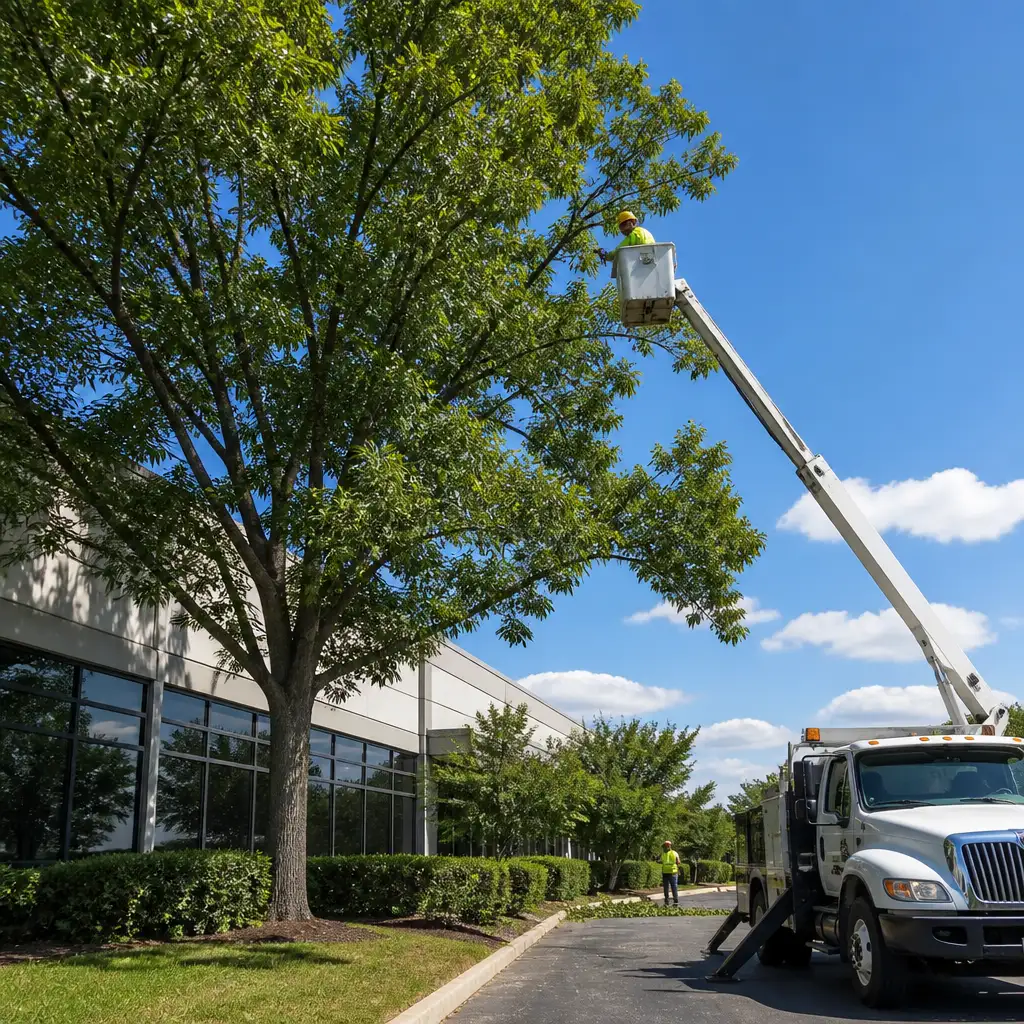
Commercial properties in Somerset, MA face a familiar seasonal challenge: summer storms that bring strong winds, heavy rain, and occasional lightning. Trees add value and curb appeal to business sites, but without proactive care they can become hazards. For property managers and business owners, the right tree trimming approach reduces storm damage risk, protects assets, and keeps operations running smoothly.
This guide focuses on practical, locally relevant strategies for commercial properties across Somerset and Southeastern Massachusetts. We’ll cover how to schedule trims for the summer storm season, how to identify high-risk limbs, clearance targets for buildings and utilities, and how to work with licensed professionals so you can protect customers, employees, and property.
Whether your site has parking-lot shade trees, street-side maples, or large shade trees near roofs, early planning matters. Professional tree trimming done before the peak storm months is one of the best investments a business can make to limit downtime and avoid emergency tree services after a major weather event.
Planning a Commercial Tree Trimming Schedule for Somerset Summers
Timing is the first practical decision for commercial properties. In Somerset, plan major trimming at least 4–6 weeks before the region’s typical peak summer storms. That schedule gives crews time to complete work, for fresh cuts to begin healing, and for your site to recover before heavy weather. For many businesses, late spring or early summer is ideal.
Start with an annual assessment. A routine inspection identifies trees that need structural trimming, deadwood removal, or selective thinning to reduce wind resistance. Annual or biannual tree maintenance reduces the chance that a weakened limb will become a liability during a summer storm.
When you decide on a schedule, coordinate with your local tree care provider early. Experienced crews can slot commercial jobs around your business hours and help you prioritize which trees are critical to trim before storms. For specific trimming work, consider certified providers that list tree trimming services as a primary offering so you get qualified crews and proper equipment.
Identifying High-Risk Trees and Hazardous Branches
Not all trees present the same level of risk. On commercial parcels, prioritize trees closest to buildings, parking lots, sidewalks, signs, and utility connections. Look for signs that indicate higher risk: large dead limbs, visible cracks in major branches, fungal growth at the base, or a lean toward critical assets.
Hazard identification is part of good tree maintenance. A professional evaluation can uncover less obvious issues—such as internal decay or poor branch attachments—that increase storm vulnerability. If you suspect a hazardous tree, document its location and condition and discuss options with your arborist: targeted pruning, structural pruning, or, in severe cases, safe removal by tree removal experts.
Keep records of assessments. Inspection notes and before/after photos help your maintenance plan stay proactive and provide documentation useful for insurance or facility management. Early detection and trimming of problem limbs often prevents costly emergency tree services after a severe storm.
Clearance Strategies: Protecting Buildings, Parking, and Utilities
Clearance goals are practical targets that reduce contact between trees and important assets during storms. For commercial properties, set clearances around rooflines, HVAC units, awnings, signage, and parking canopies. A general rule is to keep branches several feet away from roofs and at least 8–10 feet from utility lines, but exact targets vary by tree species and site layout.
Work with your tree care partner to map critical clearance zones. Trimming for clearance often means selective limb removal and crown thinning rather than heavy cutting. This approach preserves tree health while removing the branches most likely to fail in high winds.
For trees near utilities, coordinate with the local utility company if lines are municipal or privately owned. Licensed crews that are experienced in utility clearance and safe rigging techniques will maintain necessary separation and follow appropriate safety protocols to protect both workers and your infrastructure.
Equipment, Safety Protocols, and Licensed Professionals
Commercial trimming often requires specialized equipment: bucket trucks for high canopies, chippers for clean-up, and rigging systems for controlled branch lowering near structures. Using the right tools reduces property impact and speeds project completion, which is crucial for busy business sites.
Always hire a licensed and insured tree service. That status protects your business and shows the crew follows professional safety standards. A reputable provider will carry liability and workers’ compensation insurance, use proper personal protective equipment, and follow written safety plans—especially important when crews work over parking areas, sidewalks, and customer entrances.
Ask potential contractors about their safety procedures, equipment lists, and references from other commercial clients in Southeastern Massachusetts. Norman Tree Service and providers like them emphasize safety, use modern equipment, and train crews for confined commercial settings to limit downtime and risk.
Minimizing Business Disruption During Trimming Projects
Business continuity is a top concern for commercial property owners. A well-managed trimming project can be scheduled to minimize customer impact—early mornings, evenings, or off-peak days work well for retail and service locations. Clear communication with tenants and staff about timing and access changes reduces confusion.
Plan logistics with the tree crew: designate staging areas, plan vehicle flow, and post temporary signage for safety. For larger jobs, consider phasing work across multiple days so that only a portion of parking or sidewalks are impacted at once. A professional crew will also handle debris removal and site cleanup to return the property to service quickly.
Include emergency contingencies in your plan. If a storm arrives unexpectedly, a trusted tree service offering emergency tree services can respond quickly. Having a prearranged provider reduces response time and helps restore safe access after wind and storm events.
Post-Trim Inspections, Maintenance, and Storm Recovery Planning
After trimming, inspect the site to ensure clearance goals were met and that remaining limbs and the crowns are balanced. Post-trim inspections also confirm that equipment did not damage pavements, irrigation, or underground utilities. Regular follow-up maintenance—scheduled annually or biannually—keeps trees healthy and reduces future storm risk.
Include storm recovery in your overall tree maintenance plan. Even with proactive trimming, summer storms can cause unexpected damage. Know who to call for emergency response and keep contact information for a licensed provider handy. Having a relationship with a local tree care company means faster assessments and prioritized scheduling following severe weather.
For properties that need further evaluation after storms, professionals can recommend additional tree pruning or, if required, safe tree removal by experienced crews. Maintaining documentation of past trimming and inspections helps guide recovery decisions and supports any insurance claims related to storm damage.
Frequently Asked Questions
Q: When is the best time to trim trees on a commercial property in Somerset before summer storms?
A: The best time is usually late spring to early summer, at least 4–6 weeks before the peak storm months. This timing allows crews to complete work and for cuts to begin healing before heavy weather.
Q: How much clearance should I maintain between branches and my building or utilities?
A: Clearance needs vary by site, but it’s common to keep branches several feet from rooflines and about 8–10 feet from utility lines. A professional assessment will set specific targets that balance safety and tree health.
Q: Do I need to hire a licensed and insured company for commercial tree trimming?
A: Yes. Hiring a licensed and insured tree service protects your business from liability, ensures crews follow safety standards, and provides peace of mind that the work will be done to professional specifications.
Professional tree trimming can improve safety, appearance, and long-term tree health. Norman Tree Service provides expert trimming services throughout Southeastern Massachusetts. Contact us today to discuss your property’s tree care needs.