
A Business Owner’s Guide to Preventative Tree Trimming for Commercial Properties in Fall River, MA to Prepare for Summer Storms
Introduction
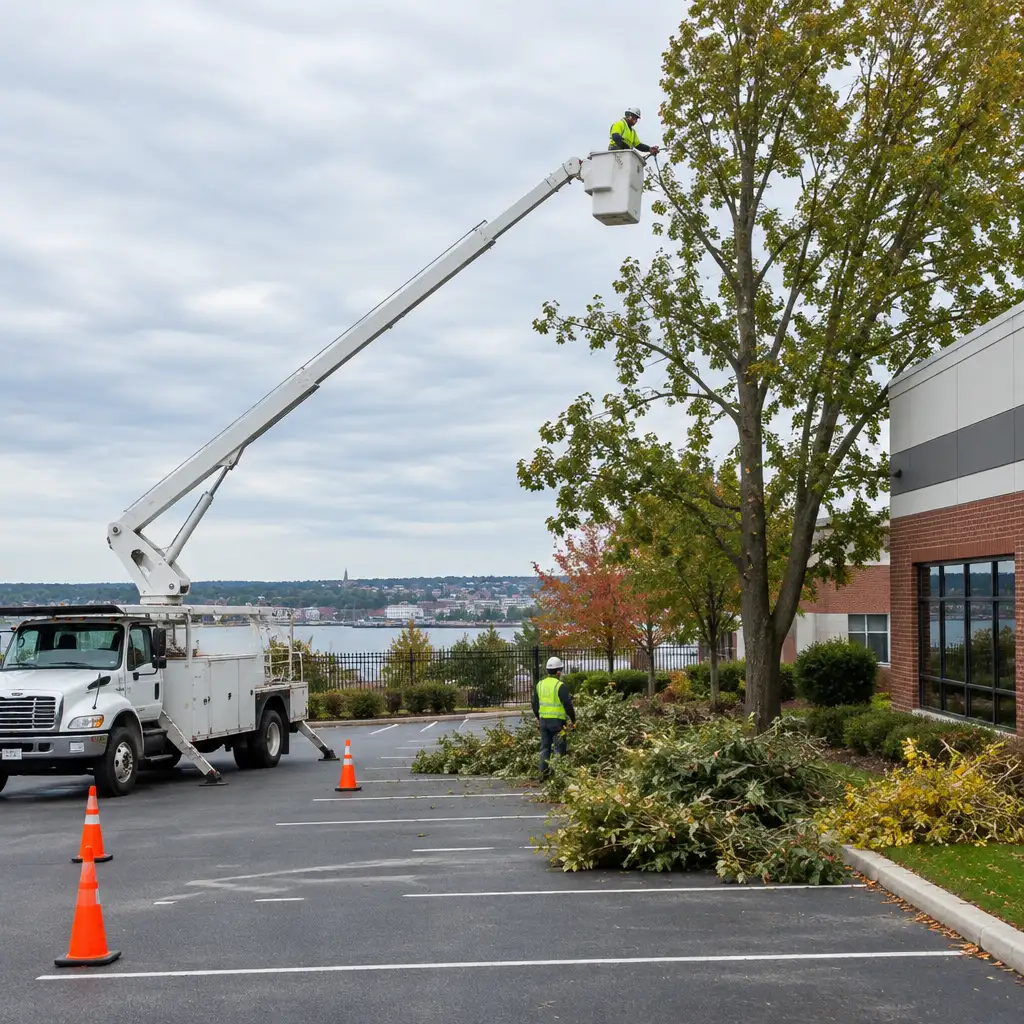
For commercial property owners in Fall River, preparing landscaping and outdoor assets in the fall is a practical step toward reducing summer storm risk. Trees that look healthy in October can still hide dead limbs, poor branch structure, or growth that interferes with rooftops, parking lots, and signage. A targeted, preventative tree trimming plan done in the fall helps protect your business, customers, and bottom line when heavy summer storms arrive.
Fall trimming gives crews better access, reduces sap flow in many species, and creates a clear maintenance timeline before hurricane season and summer thunderstorms. For properties along busy streets, near seasonal customers, or with rooftop equipment, a well-timed trimming program limits the chance of branches causing service interruptions, vehicle damage, or liability claims.
In this guide we’ll walk through a straightforward, commercial-focused trimming plan tailored to Fall River and nearby Southeastern Massachusetts communities. You’ll get practical advice for rooftop clearance, parking lot safety, and signage visibility—plus a checklist for working with a licensed and insured professional so your property remains protected.
Why fall preventative tree trimming matters for summer storm readiness
Fall is an ideal time to schedule preventative tree trimming for several reasons. Trees are entering dormancy, which reduces stress after pruning for many species. Crews also find fewer obstructions from dense summer foliage, making inspections and selective cuts more effective. For commercial properties in Fall River, this timing creates a clear window to address risk before the active summer storm season.
Preventative trimming reduces the pool of weak or overextended branches that are most likely to fail in high winds. Removing deadwood, crossing limbs, and poorly attached branches lowers the chance of storm-related property damage—especially to rooftops, HVAC equipment, parking lot canopies, and business signage. Regular preventive work is a core part of tree maintenance and helps avoid emergency tree services during or after storms.
Beyond safety, proper trimming improves the long-term health of trees and can enhance the appearance of your property, supporting curb appeal and customer perception. For a clear, professional approach tailored to commercial needs, consider consulting certified crews who offer dedicated tree trimming services and seasonal plans.
Assessing trees around rooftops: clearance standards and common hazards
Rooftop clearance is one of the most critical components of a commercial trimming plan. Trees growing too close to roofs can scrape shingles, drop leaves and debris into gutters, damage solar panels, or provide pathways for pests. In strong summer storms, moderate-to-large limbs contacting the roof are a frequent source of leaks and structural damage.
Begin with a professional inspection that evaluates branch attachment points, decay indicators, and overhead hazards. Typical recommendations include maintaining a minimum clearance of several feet between large branches and rooftop edges—exact distances depend on tree species, branch size, and the nature of rooftop equipment. Professionals will prioritize removing dead or weakened limbs and selectively shortening limbs that pose direct impact risk.
On multi-story commercial buildings, crews may use bucket trucks or rigging techniques to remove problem limbs safely without risking rooftop damage. These specialized approaches preserve the building’s integrity while addressing tree-related hazards. If you spot hanging or cracked limbs, schedule an evaluation sooner rather than later—proactive trimming is far less disruptive and costly than emergency repairs after a storm.
Managing trees near parking lots: trimming plans to protect vehicles and customers
Trees add shade and aesthetic value to parking areas but require a disciplined maintenance approach. Falling limbs can dent vehicles, damage windshields, and create unsafe customer experiences. For businesses with high vehicle turnover—retail centers, medical offices, and restaurants—consistent trimming reduces the likelihood of storm-related incidents that interrupt operations or trigger liability concerns.
Key elements of a parking-lot trimming plan include establishing canopy heights for vehicle clearance, removing deadwood, and thinning inner branches to reduce wind sail. Pay special attention to trees planted near light poles, walkways, and curb islands: these locations often hide decay at lower trunk levels or have restricted root zones that increase failure risk during storms.
Schedule inspections on a predictable cycle and following severe weather events. Good tree maintenance balances safety and aesthetics—trim to allow healthy crown structure while keeping the lowest risk profile for storm season. If a tree shows signs of instability, a professional assessment can determine whether targeted pruning or removal is the right call to protect customers and property.
Clearing signage and access: maintaining visibility and business operations
Signage visibility and clear access routes are essentials for any commercial property. Overgrown branches can obscure building signs, block wayfinding, and reduce sightlines for drivers entering or exiting your property. During heavy summer storms, obstructed signage can create confusion and slow emergency responses.
Preventative trimming should include targeted cuts around signs, awnings, and entryways. Crews will evaluate how branches interact with electrical lines, light fixtures, and directional signage to create a trimming plan that supports both safety and business needs. Proper trimming improves sightlines for customers and delivery drivers while preserving the visual impact of your branding.
Coordinate trimming windows with maintenance schedules for lighting and other facade work to reduce repeat disruptions. For properties with complicated access or rooftop signs, work with professional teams who understand rigging techniques and safe trimming practices to maintain operations with minimal downtime.
Seasonal trimming schedule and prioritization for commercial properties in Fall River
Developing a seasonal schedule helps commercial property owners stay ahead of storm season. For Fall River properties, consider a two-step approach: a thorough fall assessment and targeted maintenance in late winter or early spring as needed. The fall visit focuses on hazard reduction and clearance; follow-up in spring addresses any new growth and the health of previously trimmed trees.
Prioritize trees that are: within 15–20 feet of rooftops, over parking areas, adjacent to signage and entrances, or showing signs of decay or structural weakness. Use risk-based triage—address the highest-probability hazards first. Routine tree maintenance cycles can be annual or every 2–3 years depending on species, growth rates, and site conditions.
Document every inspection and trimming event. Records help property managers track which trees were pruned, what work was performed, and why specific trees might be scheduled for removal later. This documentation supports proactive property management and can be important if storm-related claims arise after severe weather.
Risk management, licensing, and liability: why hire a licensed and insured team
Managing tree risk on commercial properties combines specialized skill, equipment, and an understanding of liability. Choosing a fully licensed and insured tree service protects your business from financial exposure if accidents or property damage occur during tree work. Licensed crews follow professional standards and local regulations; insurance provides third-party protection in case of unforeseen incidents.
Ask any contractor for proof of insurance and relevant licensing before work begins. A reputable company will carry general liability coverage and provide certificates on request. Beyond paperwork, look for experienced teams offering clear plans, written estimates, and a safety-first approach. These practices show they understand the stakes of commercial projects—roofline work, parking-lot operations, and storefront access.
Norman Tree Service is a local provider that emphasizes safety, modern equipment, and reliable communication. Working with experienced tree professionals familiar with Southeastern Massachusetts ensures crews know local species, common storm patterns, and municipal considerations in Fall River and surrounding communities. That local expertise matters when building a defensible trimming strategy that reduces storm-related service interruptions and liability.
Frequently Asked Questions
Q: When is the best time to schedule preventative trimming to reduce summer storm damage?
A: Fall is an excellent time for preventative trimming in Fall River because trees are slowing growth and crews have better access with reduced foliage. A fall trim reduces weak limbs before summer storms; a spring touch-up can address new growth if needed.
Q: How close should branches be to a commercial rooftop or solar panels?
A: Clearance recommendations vary by species and branch size, but professionals often recommend keeping large limbs several feet away from rooftops and equipment. A licensed crew can measure and recommend specific clearances to protect structures and maintain tree health.
Q: What should I look for when hiring a tree service for commercial trimming?
A: Verify licensing and insurance, ask for references on similar commercial projects, review safety procedures, and confirm the company uses appropriate equipment for rooftop and parking-lot work. Clear written estimates and documentation of completed work are important for risk management.
Professional tree trimming can improve safety, appearance, and long-term tree health. Norman Tree Service provides expert trimming services throughout Southeastern Massachusetts. Contact us today to discuss your property’s tree care needs.