
Seasonal Tree Maintenance Checklist for Rehoboth, MA Homeowners to Reduce Winter Emergency Calls
Introduction
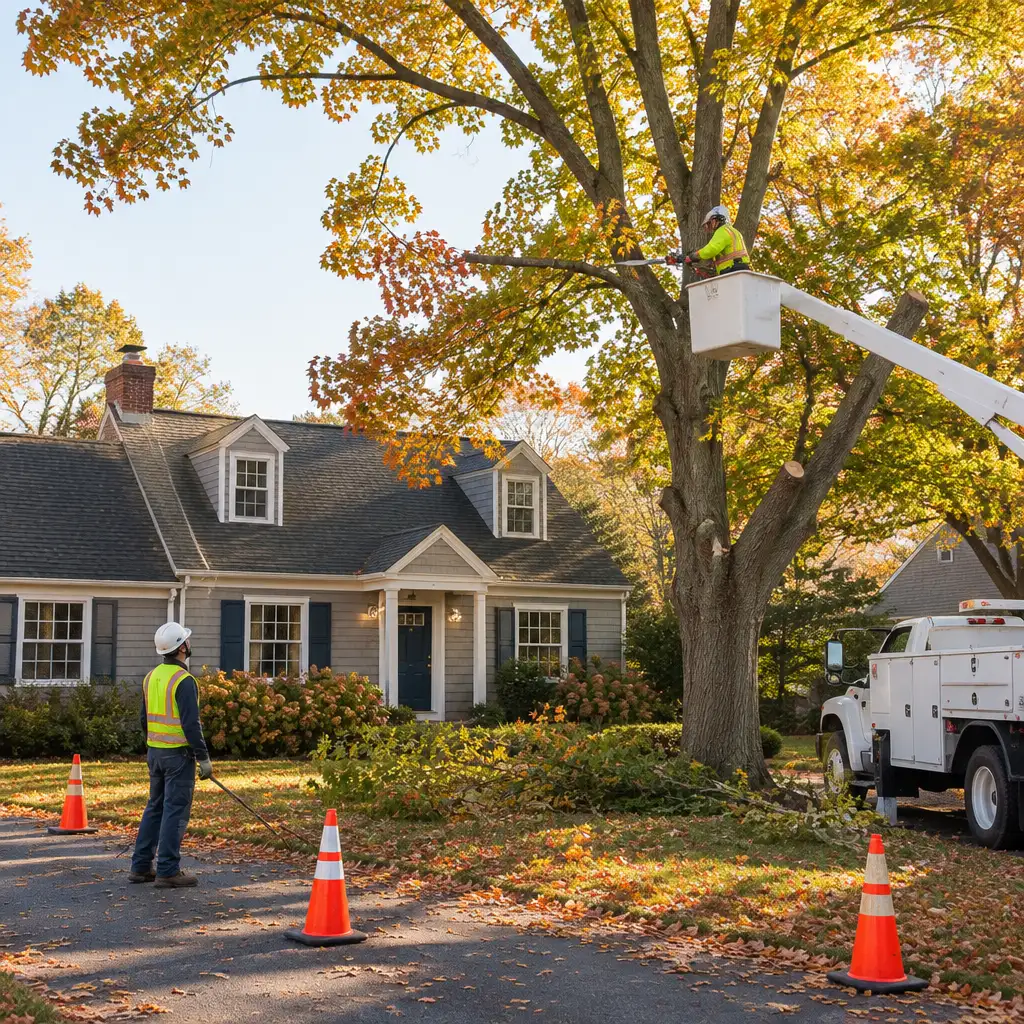
Winter weather in Rehoboth can turn a healthy-looking yard into an urgent safety concern if trees haven’t been prepared. Heavy snow, ice, and coastal wind events increase the chance of broken limbs, split trunks, and whole-tree failures—issues that often lead to costly emergency calls in the middle of winter. A seasonal approach to tree maintenance helps homeowners reduce those risks and protect people, homes, and driveways.
This article provides a clear, seasonal checklist specifically for Rehoboth homeowners. It focuses on inspections, preventative pruning and trimming, risk-reduction tasks, and guidance on when to schedule professional maintenance so you’re not calling for emergency tree services after the first big storm. These steps reflect local weather patterns and common tree species across Southeastern Massachusetts.
Following a routine tree maintenance plan now—especially in fall and early winter—gives you options. Proactive care lowers the chance of hazardous tree removals and emergency responses when snow and ice arrive. Norman Tree Service offers local expertise in Rehoboth and surrounding communities to support these steps.
Fall and Pre-Winter Inspection Checklist for Rehoboth Homes
Start your seasonal tree maintenance in early fall. Leaves falling off deciduous trees reveal branch structure and hidden defects that are hard to spot in summer. Walk your property and look for split crotches, large dead limbs, leaning stems, or significant decay at the trunk base. These are signs that a tree needs attention before winter loads arrive.
Inspect around roofs, chimneys, gutters, driveways, and utility lines. Pay particular attention to mature maples, oaks, and poplars common to Rehoboth—older trees with heavy limbs over structures present higher risk. Document any concerns with photos and notes so you can communicate them clearly to a professional during scheduling.
If you want help interpreting what you find, start with a local company homepage and service overview to learn about professional options from people who work in Southeastern Massachusetts year-round. Norman Tree Service provides experienced assessments and can advise on priorities when multiple trees need attention.
Preventative Pruning and Trimming Tasks to Reduce Winter Failures
Preventative pruning is one of the most effective tree maintenance actions to reduce winter emergencies. Removing weak, crossing, or crowded branches during fall or late winter improves wind flow through the canopy and reduces ice accumulation on vulnerable limbs. Selective pruning also lowers the chance of large branches breaking under snow.
Focus on pruning to remove deadwood, thin dense crowns, and correct structural defects. For work near roofs and power lines, plan professional tree trimming to ensure clearance and safety. Professional tree trimming services use proper techniques that preserve tree health while addressing risk—try to avoid DIY pruning on large trees.
Norman Tree Service offers seasonal tree trimming services that prioritize safety and long-term tree health. Scheduling trimming in the recommended seasons ensures work is done at the best time for each species and reduces the chance of winter damage.
Managing Dead or Hazardous Branches Before Snow and Ice
Dead or structurally compromised branches are high priorities on any tree maintenance checklist. They’re more likely to fall during wind, ice, or snow loads and can damage roofs, vehicles, and power lines. Remove obvious deadwood promptly to reduce these hazards.
Not every dangerous branch is easy to see from the ground. Large, hollowing wounds, fungal fruiting bodies, and deep cracks suggest decline or internal decay. When you encounter signs like these, consult with professionals experienced in hazardous tree removal and assessment so you can determine whether targeted pruning or full removal is the safer choice.
When hazardous conditions are identified late in the season, consider contacting emergency tree services as a precautionary measure. A timely professional evaluation can prevent costly winter emergency removals and keep your property safer during storms.
Root and Soil Care to Improve Winter Tree Stability
Tree maintenance isn’t only about branches. Healthy roots and well-draining soil help trees resist uprooting during saturated ground and heavy winds. Avoid compacting soil near root zones and be cautious about planting beds or hardscape changes that might stress roots.
Mulching is a simple, seasonal maintenance task that benefits root health. Apply a two- to three-inch layer of organic mulch in late fall, keeping mulch away from direct trunk contact to prevent rot. Mulch helps moderate soil temperature and retain moisture during dry winter spells, supporting overall tree resilience.
For trees showing signs of root failure—leaning trunks, exposed roots, or soil heave—schedule a professional inspection. Experienced crews can assess root health and advise whether bracing, targeted care, or removal is the right path to reduce winter emergency risk.
Protective Actions for Vulnerable Trees and Structures
Take proactive steps to protect structures and landscape features near high-risk trees. Trim overhanging limbs that threaten roofs and gutters, and clear low branches that hang over driveways and walkways. Secure loose branches that could become projectiles in a winter wind event.
For trees immediately adjacent to homes or other structures, consider routine monitoring through the winter. Small mitigations—like moving vehicles out of the path of large limbs or covering vulnerable outdoor items—can reduce damage if a limb fails. In some cases, targeted pruning to reduce weight on large lateral limbs is the best preventative measure.
If a tree is too close to a structure or shows signs of significant decay, learn about safe tree removal options from professionals. For serious hazards, a licensed and insured tree service can evaluate safe removal alternatives and provide a plan that minimizes property impact.
Scheduling Professional Maintenance and Emergency Planning
Plan ahead for professional services. Fall is a busy time for tree crews, so schedule preventative pruning or hazardous tree assessments early—preferably before the first heavy snowfall. A scheduled evaluation allows crew planning, proper equipment allocation, and safer outcomes than last-minute emergency calls.
Norman Tree Service offers routine tree maintenance services and can help establish a seasonal program for homeowners in Rehoboth and nearby towns. If your property has multiple high-priority items, ask for a prioritized work plan so the most critical hazards are handled first. Having a plan reduces the need for emergency tree services during winter storms.
Include emergency preparation in your plan: keep our emergency tree services contact information handy, mark vulnerable areas on your property map, and document trees requiring post-storm evaluation. A clear communication plan with your tree care provider speeds response when urgent issues occur during snow or ice events.
Frequently Asked Questions
Q: When is the best time to schedule tree trimming to reduce winter damage?
A: For most species in Southeastern Massachusetts, late fall (after leaf drop) or late winter (dormant season) are good times for structural pruning and trimming. These windows make defects more visible, reduce stress on the tree, and allow crews to work safely before heavy snow and ice.
Q: How can I tell if a tree needs professional evaluation rather than DIY pruning?
A: Contact a professional if the tree has large dead limbs, significant decay, deep cracks, a leaning trunk, or branches over roofs and power lines. Any work requiring climbing above ground level, rigging near structures, or cutting large-diameter limbs should be left to licensed and insured professionals.
Q: What should I do immediately after a winter storm if I see damaged trees on my property?
A: Stay clear of downed branches and leaning trees, and keep people and pets away. If utility lines are involved, call your utility company first. For structural threats to homes or blocked driveways, contact local emergency tree services to arrange a safe assessment and removal.
Routine tree maintenance is one of the best ways to protect your property and reduce the likelihood of future problems. Norman Tree Service offers professional maintenance services designed to keep your trees healthy and safe year-round.