
Signs You Need Emergency Hazardous Tree Removal in New Bedford, MA During Winter Ice and Wind Events
Introduction
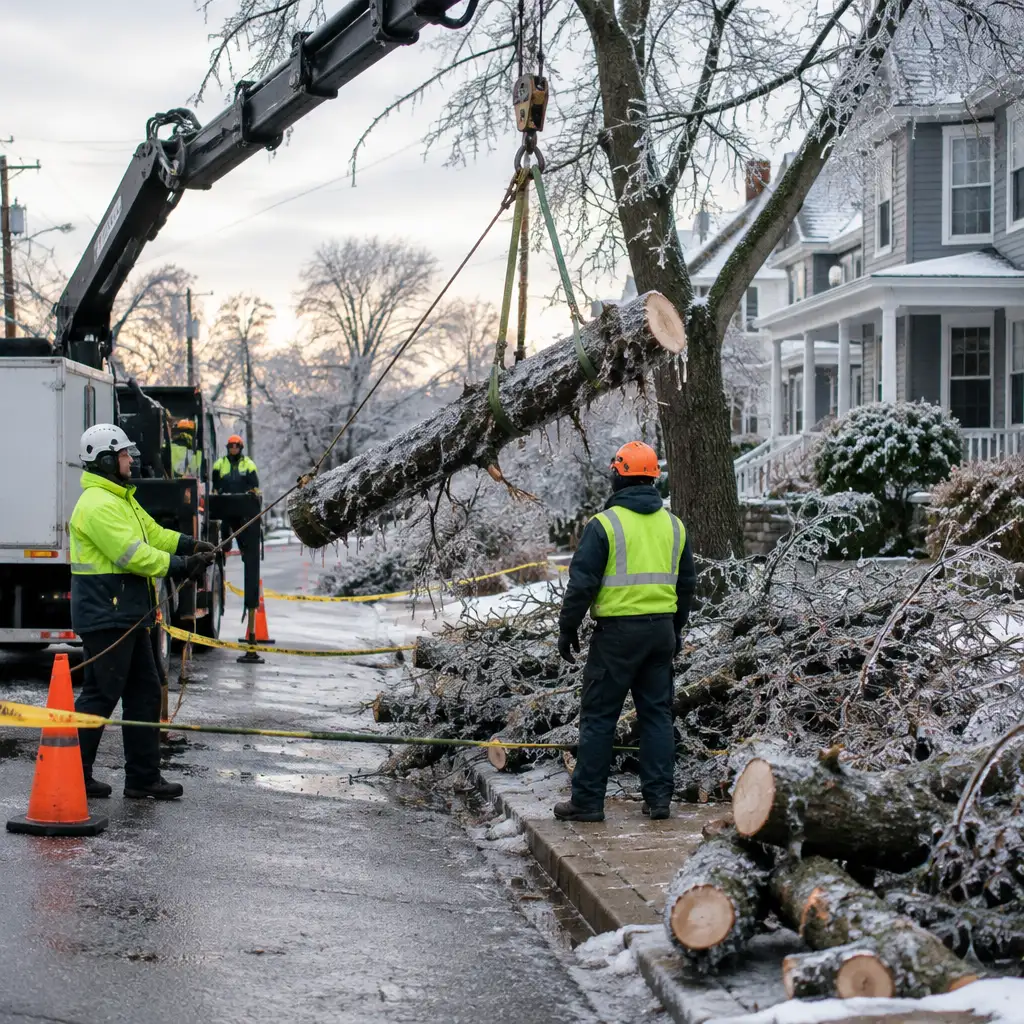
Winter in New Bedford can be beautiful — but ice and wind bring added risks for trees on residential and commercial properties. After a storm, weakened trunks, split limbs, and root heave are common. These issues matter because a failing tree or large branch can damage a roof, block a driveway, take down power lines, or create unsafe conditions for people and pets.
For homeowners and property managers in Southeastern Massachusetts, knowing how to spot urgent tree hazards and what to do right away reduces the chance of injury and limits property damage. Local roads and neighborhoods like those in Dartmouth, Fairhaven, and nearby communities often face the same winter stressors, so the advice here is practical and regionally relevant.
This article gives a clear, homeowner-friendly checklist to identify hazardous trees after ice and wind events, steps you can take immediately for safety, and guidance on when it’s time to contact emergency tree services for fast, licensed response. If a situation looks dangerous, act quickly — and know who to call for professional help.
Quick checklist: signs a tree is hazardous after ice and wind
Start with a visual sweep from a safe distance. Look for obvious damage that indicates structural failure: large limbs cracked or hanging, a trunk split lengthwise, or a tree leaning suddenly after a storm. Ice loading often adds weight to branches and can expose decay that was not visible before.
Check the base of the tree for root problems. Uplifted soil, exposed roots, or a trunk that’s pulling away from the ground are red flags that the root plate may have failed. Even if the tree is still standing, a compromised root system can allow it to fall without much warning.
Listen and observe over the next days. Creaking, cracking sounds, or branches that continue to shed smaller limbs are signs of progressive failure. Dead or hanging branches that remain after the storm pose ongoing risks and should be considered hazardous until evaluated by a professional.
Immediate safety steps for homeowners after winter storms
First, keep people and pets away from the danger zone. Establish a safe perimeter around the damaged tree; dropping branches and full-tree failures can cover a wider area than you may expect. Do not attempt to retrieve items from beneath a damaged tree until a professional confirms it is safe.
Second, avoid touching or trimming already-split limbs. Ice, wind, and structural damage can make branches unstable and unpredictable. Homeowners without proper equipment and training should never use a ladder against a damaged tree or stand under hanging limbs to make cuts.
Third, if a tree is touching a structure or power line, treat it as high risk. Keep clear of downed power lines and call the utility company first. For non-utility hazards that threaten your home, driveway, or access, contact licensed emergency responders. Norman Tree Service provides rapid, local emergency tree services and can evaluate the scene safely.
When to call for emergency tree services in New Bedford
Call emergency tree services right away if any part of a tree is in contact with your house, garage, or a business structure. Even small contact can create abrasion, punctures, or roof damage once ice and wind continue to shift the load. Trees that block a driveway, exit route, or public road also require urgent attention to restore safe access.
Other signs that warrant an immediate call include trees leaning sharply after the storm, roots visibly torn from the ground, large broken limbs suspended in the canopy, or visible trunk splits. If the situation threatens life or critical infrastructure, don’t wait — contact professionals who specialize in storm response and hazardous tree removal.
Norman Tree Service offers local emergency response and hazardous tree removal in Southeastern Massachusetts. For urgent situations, the company’s crews are licensed, insured, and equipped to handle storm damage safely and efficiently. When the risk is clear, contacting experienced responders reduces additional property damage and speeds recovery.
What professionals do during an emergency response
When a licensed crew arrives, their first task is a safety assessment: identifying hazards, mapping the drop zone, and making a plan that protects people, property, and nearby utilities. Professionals use ropes, rigging, and sometimes bucket trucks to remove weight systematically and avoid secondary failures.
Experienced crews focus on controlled removal techniques for hazardous tree removal. This can mean sectioning limbs and lowering them safely to the ground, stabilizing leaning trunks, or performing emergency cuts that relieve dangerous loads. Modern equipment and trained crews let pros work in tight spaces and reduce impact to landscaping and structures.
Another important part of the response is communication. The crew should explain the plan, expected timeline, and any safety steps the homeowner should take. Always confirm that the company is a licensed and insured tree service — that protects your property and provides accountability for the work performed.
Temporary stabilization and short-term solutions you can use
In some cases, immediate permanent removal isn’t possible due to weather or safety concerns. Professionals may use temporary stabilization like bracing, shoring, or targeted pruning to reduce immediate risk until full removal is safe. These measures are short-term and require a follow-up plan.
For homeowners waiting for removal, keep the area clear and mark the hazard with cones or tape when possible. Do not attempt to tie or anchor a compromised tree yourself — improper methods can make the tree more dangerous. If the tree is leaning onto a small shed or fence, shift vehicles and personal items away to avoid collateral damage.
If you need help coordinating with utilities or insurance providers, a professional crew can document damage with photos and written notes. That documentation is useful for insurance claims and for planning the hazardous tree removal or repair work that follows.
Preventing future winter hazards through maintenance and trimming
Regular tree maintenance reduces the chance that ice and wind will create emergencies. Professional tree trimming removes deadwood, reduces excessive canopy weight, and improves branch structure so trees resist winter loads better. Schedule seasonal inspections in the fall and after major winter events to catch problems early.
Proper pruning and selective thinning help wind pass through the canopy instead of catching it like a sail. This is especially important for large maples, oaks, and poplars common around New Bedford and other Southeastern Massachusetts neighborhoods. Well-timed pruning also supports long-term tree health and reduces future hazardous tree removal needs.
Norman Tree Service provides tree trimming services and maintenance plans that focus on safety and tree health. Investing in routine care from experienced professionals is an effective way to protect your property, reduce emergency calls during storms, and extend the life of your trees.
Frequently Asked Questions
Q: How fast can emergency crews respond after an ice storm in New Bedford?
A: Response time varies with storm severity and call volume. Licensed emergency tree services prioritize immediate threats to life and property. For non-life-threatening hazards, expect crews to schedule an urgent visit as soon as it is safe to work. Calling a local, licensed team early helps position you in the response queue.
Q: Is it safe to try to cut down a broken limb that’s hanging over my yard?
A: No. Hanging or partially broken limbs can shift unexpectedly. Only trained professionals with proper rigging should remove suspended branches. Homeowners should keep a clear perimeter and contact emergency tree services for safe removal.
Q: Will my homeowner’s insurance cover storm-related tree damage?
A: Many policies cover sudden storm damage to structures caused by trees, but coverage details vary. Document damage with photos, keep receipts for emergency services, and contact your insurer promptly. A licensed, insured tree service can provide requested documentation and help coordinate safe removal.
Local property owners in New Bedford and neighboring towns like Dartmouth and Fairhaven can reduce risk by understanding warning signs and acting quickly when trees become hazardous. Winter storms are part of life here, but with the right steps and professional support you can protect people and property.
For urgent help after ice and wind events, choose local, licensed professionals who prioritize safety and clear communication. Norman Tree Service combines experienced crews, modern equipment, and a commitment to customer satisfaction across Southeastern Massachusetts.
Storm damage and fallen trees can create dangerous situations that require immediate attention. Norman Tree Service provides emergency tree services throughout Southeastern Massachusetts and is prepared to respond when urgent tree-related issues arise.