
Why Annual Tree Maintenance and Inspections Matter for Small Business Properties in Somerset, MA: A Seasonal Plan
Introduction
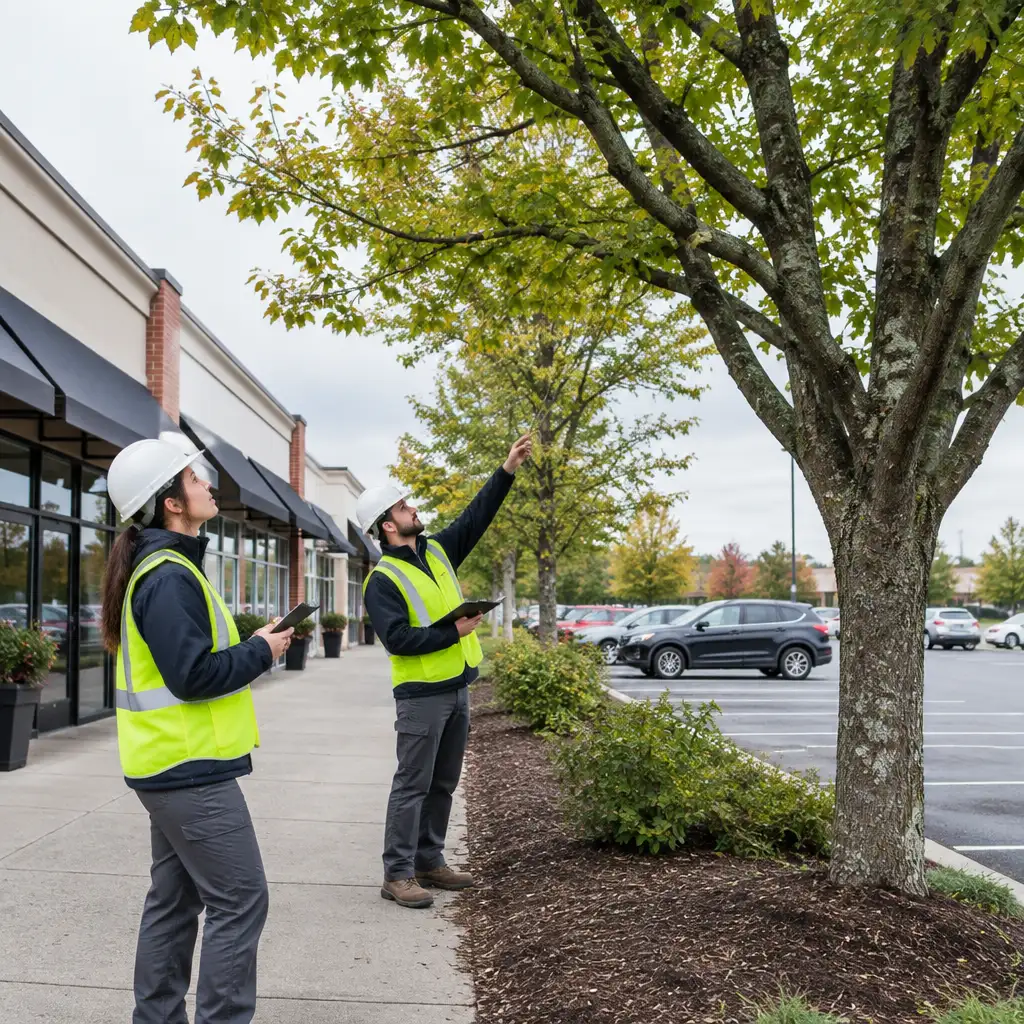
Small business properties in Somerset, MA rely on healthy trees for curb appeal, shade, and a welcoming streetscape. But without regular care, trees can develop hazards that threaten customers, staff, parking areas, roofs, and utility lines. For commercial property owners and managers, understanding the value of routine tree maintenance can reduce liability and prevent costly interruptions to business operations.
Annual inspections and seasonal maintenance are not just horticultural niceties — they are practical risk-management steps. In Southeastern Massachusetts, weather swings from Nor’easters and cold winters to summer storms make trees vulnerable at different times of year. A planned maintenance program helps small businesses prepare for each season and respond quickly when issues arise.
This article outlines a clear, seasonal tree maintenance plan tailored to small business properties in Somerset. You’ll find recommended inspection cadences, specific checklists for spring through winter, risk-reduction tips, and reminders about hiring a licensed and insured provider for professional work.
Why tree maintenance matters for small business properties in Somerset, MA
Well-maintained trees protect property values and create a safer environment for customers and employees. On a small commercial lot — a storefront, office park, or mixed-use property — a single failed limb can block parking, damage signage, or create a liability claim. Regular tree maintenance reduces the chance of these events by catching problems early.
For businesses in Somerset and nearby communities like New Bedford and Fall River, storm-related outages and falling limbs are common concerns. Proactive care reduces the risk of branches interfering with power lines and minimizes interruptions to business operations. Planning maintenance around local weather patterns makes those efforts more effective.
Investing in professional tree maintenance also demonstrates due diligence. Insurance carriers and municipal officials take notice when properties follow best practices for tree care. Hiring licensed, insured professionals shows you’ve taken steps to manage risk, and it protects your business from unnecessary exposure if something goes wrong.
Recommended inspection cadence: annual plans and seasonal checks
Establishing a predictable inspection schedule is the backbone of effective tree maintenance. For most small business properties we recommend a mix of regular professional inspections and informal visual checks by staff:
Comprehensive professional inspection: once a year, ideally in early spring. A licensed arborist evaluates structure, root health, signs of decay, and long-term risks. This inspection should include a written report and prioritized recommendations.
Seasonal professional checks: a targeted inspection before high-risk seasons — for example, a summer storm-prep check and a fall pre-winter assessment. Depending on tree age and site conditions, some properties benefit from mid-season follow-ups.
On-site visual checks by staff: monthly or after storms. Employees can be trained to look for obvious hazards — new cracks, leaning trunks, large dead branches, or branches touching wires — and report them immediately.
Together, these steps form a practical cadence: an annual comprehensive review, two seasonal professional checks, and monthly staff observations. This approach balances cost with risk reduction and keeps trees managed year-round.
Spring checklist: recovery and structural pruning
Spring is an ideal time for a detailed inspection and corrective pruning. After winter’s ice and wind, trees often reveal hidden damage that can affect structure and long-term health. For small business properties, focus on trees next to sidewalks, parking areas, and building roofs.
Key spring tasks include:
- Inspect for winter damage: look for split limbs, trunk cracks, and loose bark.
- Structural pruning: remove dead wood, thin crowded branches, and reduce crossing limbs to improve wind resistance and reduce future hazards.
- Root-zone care: check planters and compacted soil near curbs; add mulch (not against trunk) and adjust irrigation as needed.
For many commercial properties, professional pruning in spring improves clearance for signs and walkways and reduces summer pest problems. If you’re considering pruning, contact a provider that offers professional tree trimming — they can recommend timing and scope that preserve tree health while protecting your business assets. Proper pruning by experienced crews helps trees recover faster and reduces the risk of emergency work later in the year.
Summer checklist: storm prep and heat stress monitoring
Summer brings thunderstorms and heat that stress trees. For Somerset businesses, summertime maintenance focuses on preparing trees for wind events and monitoring moisture needs. Healthy trees with proper structure are less likely to suffer catastrophic failures during summer storms.
Essential summer actions:
- Monitor watering and drought stress — municipal irrigation systems and planters may need supplemental watering during dry spells.
- Trim interfering branches early in the season to maintain sightlines and keep branches away from signage and lighting fixtures.
- Inspect for pest and disease signs — wilting, discolored leaves, or unusual dieback — and treat promptly to prevent spread.
If a summer storm causes damage, professional emergency response can limit downtime. For urgent post-storm work, look for experienced crews who offer storm damage tree services and quick, safe cleanup to protect customers and reopen your business quickly.
Fall checklist: hazard reduction and winter preparation
Fall is a critical season for pre-winter preparation. Leaf fall makes it easier to see dead or weak branches that were hidden during summer, and cooler temperatures signal it’s time to reduce hazards before snow and ice arrive.
Recommended fall tasks include:
- Preventative pruning: remove dead and weak limbs, especially those over walkways, parking areas, and rooftops.
- Clear gutters and rooflines of overhanging branches that could add snow load or drop ice onto customer areas.
- Assess trees near utility lines and coordinate with your utility provider or a licensed crew for safe clearance work.
Early fall maintenance reduces the chance of emergency tree removal during winter storms. If pruning or pruning plans are needed, a professional crew can outline a schedule that minimizes disruption to your business. For seasonal trimming and ongoing care, consider a trusted provider of tree trimming services that understands commercial property needs in Southeastern Massachusetts.
Winter checklist: snow, ice, and emergency readiness
Winter introduces snow and ice loads that can cause limbs to fail suddenly. While most heavy removals happen after storms, proactive winter readiness helps businesses respond safely and quickly if damage occurs.
Winter preparedness actions:
- Keep an emergency contact plan: have a licensed and insured tree service ready to respond after storms to protect people and property.
- Avoid risky DIY removal: snow-loaded branches can fall unpredictably. Leave it to professionals with the right equipment and safety protocols.
- Inspect for persistent hazards: look for large limbs that hold ice or trees with significant lean; document and schedule removal or stabilization come spring if immediate work isn’t required.
Norman Tree Service is fully licensed and insured, which matters for commercial properties managing liability and insurance claims. Choosing a licensed and insured provider ensures work meets safety standards and helps protect both your business and our crew on challenging winter jobs.
Frequently Asked Questions
Q: How often should a small business in Somerset schedule professional tree maintenance?
A: We recommend a comprehensive professional inspection once a year, with seasonal checks in spring and fall and visual checks by staff monthly or after storms. High-risk sites may benefit from more frequent checks.
Q: Can my property manager perform maintenance checks, or do I need hired professionals?
A: Property managers can conduct basic visual checks for obvious hazards, but licensed arborists should perform structural assessments, pruning near utilities, and any work that requires climbing or heavy equipment. Hiring a licensed and insured tree service protects your business from liability and ensures safe, professional results.
Q: What are the signs that a tree needs immediate attention rather than routine maintenance?
A: Signs include large cracked limbs, significant trunk splits, major leaning not caused by slope, visible decay or fungal growth, and trees that have sustained storm damage. If you see these, contact a professional for an urgent evaluation; emergency tree services may be necessary.
Routine tree maintenance is one of the best ways to protect your property and reduce the likelihood of future problems. Norman Tree Service offers professional maintenance services designed to keep your trees healthy and safe year-round.