
When to Schedule Preventative Tree Removal for Coastal Homes in Wareham, MA Ahead of Fall Storms
Introduction
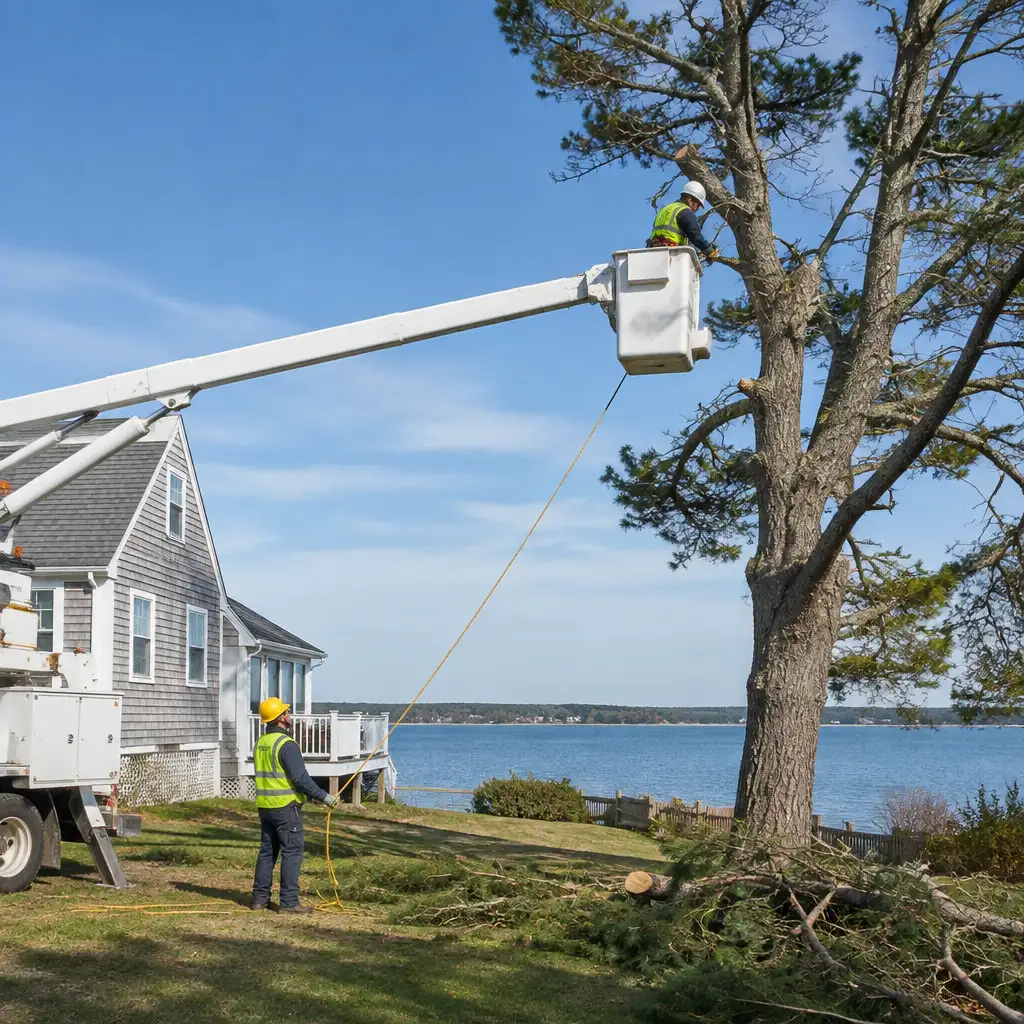
Coastal homes in Wareham, MA face a unique set of tree-related risks as fall storms approach. Salt spray, strong onshore winds, and frequently saturated soils combine to weaken trees that may have stood for decades. For homeowners, the right timing for preventative tree removal can mean the difference between avoiding a costly emergency and dealing with property damage to roofs, fences, or utility lines.
This article focuses on practical, local guidance: why coastal exposure matters in Wareham, how to spot trees that warrant removal, and when to schedule work so it’s completed well before the peak of storm season. We’ll also cover homeowner decision points, benefits of hiring a licensed and insured crew, and what to expect during a safe, professional removal.
Whether you’re on Marion Road, near the Weweantic River, or close to Buzzards Bay, taking action in late summer or early fall helps reduce the risk of storm-related failures. If you want a professional evaluation specific to your property, our professional tree removal team can assess hazards and recommend next steps.
Why coastal exposure in Wareham increases tree risks
Coastal trees face challenges that inland specimens rarely encounter. Salt spray from Buzzards Bay and nearby tidal waterways deposits salt on leaves and soils, which can stress foliage and limit a tree’s ability to absorb water and nutrients. Over time, that stress reduces a tree’s structural resilience, making it more likely to fail in high winds.
Wareham’s shoreline locations also experience stronger and more sustained gusts during fall nor’easters and coastal storms. Trees with reduced foliage or compromised root systems are more vulnerable to uprooting or crown failure. Saturated soils after prolonged rain events further decrease root holding strength, especially on properties with shallow or compacted soils.
Additionally, coastal properties often have trees planted for windbreaks or privacy that have grown very close to homes, power lines, and decks. When those trees weaken, the potential for property damage and utility outages rises. Regular tree maintenance and timely hazardous tree removal reduce these risks and keep your home and neighborhood safer as storm season begins.
Best timing to schedule tree removal before fall storms
Timing is key for preventative removals. For Wareham homeowners, the recommended window to schedule removal is late summer through early fall—generally from mid-August to late October. This timing allows work crews to operate in stable weather and gives you time to address any follow-up needs before the heaviest wind and rain events arrive.
Scheduling several weeks in advance has practical benefits: crews can evaluate the tree when leaves are still present, which helps with condition assessments; homeowners have time to obtain any necessary permits or neighbor notifications; and contractors can plan equipment and access to minimize property impact. If you wait until a storm warning, you risk long delays and higher costs associated with emergency tree services.
That said, urgent hazards identified anytime during the year—such as a large leaning tree, major trunk cracks, or a tree in contact with power lines—should be addressed immediately. In those cases, emergency response teams provide the fastest safe resolution. For preventative work, aim to complete removals at least two to four weeks before historically active storm windows in October and November.
Identifying trees that need preventative removal
Not every unhealthy tree needs full removal. Sometimes targeted pruning or corrective maintenance can restore structure and reduce risk. However, several clear signs indicate removal is the safest option for coastal properties:
- Large, visible decay in the trunk or major limbs.
- Significant lean that has developed suddenly or progressively downhill toward structures or lines.
- Cracks or splits in the trunk or major branch unions.
- Root damage, including upheaved soil or exposed, rotted roots from erosion or saturated ground.
- Repeated branch failures or a history of storm-related damage from prior seasons.
Salt-related decline can be subtle: thinning crowns, premature leaf drop, and dieback that starts at branch ends. If a tree shows multiple signs or if its failure could impact your roof, garage, or a utility pole, removal is often the most responsible choice to protect people and property.
When in doubt, schedule an evaluation. A qualified crew will provide a condition report and recommend either tree trimming, pruning, or removal based on safety and long-term health.
Homeowner decision checklist for scheduling tree removal
Use this checklist to make a clear, confident decision about preventative tree removal for your coastal Wareham property. Read through each item and note any yes answers—multiple positives usually mean removal should be prioritized.
- Is the tree within falling distance of the house, garage, deck, or primary driveway?
- Does the trunk show large cavities, visible rot, or fungal growths near the base?
- Has the tree developed a recent and increasing lean?
- Are major limbs cracked, hanging, or previously failed?
- Is there significant root exposure, soil heaving, or erosion around the root plate?
- Is the tree regularly affected by salt spray, showing crown thinning or leaf browning?
- Are utility lines or critical infrastructure at risk if the tree fails?
- Would removal reduce future maintenance costs or the need for emergency services?
If you answered yes to two or more items, discuss removal scheduling with a professional as soon as possible. Use this checklist when you contact the crew so they can prioritize dangerous conditions and plan safe access and equipment needs.
Licensed-and-insured benefits for coastal tree work
Hiring a licensed and insured tree service matters more on coastal properties where risks and access challenges are greater. Licensed companies meet local regulations and typically have staff trained in proper rigging, climbing, and safety protocols. Being insured means there’s protection if property or utility damage occurs during work.
Benefits of working with licensed, insured professionals include accountability, professional standards, and reduced liability. Coastal jobs often require specialized equipment or rigging to remove large sections of tree safely near homes and utilities; insured crews plan those operations to protect your landscape and structures.
Ask any contractor for proof of licensing, general liability insurance, and workers’ compensation before scheduling. A reputable service will also walk you through permits, traffic or neighbor notifications if a partial road closure or staged removal is required, and any follow-up care—like recommending tree maintenance strategies for remaining trees.
How professionals prepare coastal homes for fall storms
Professional teams begin with a thorough site evaluation: assessing tree condition, root stability, crown structure, proximity to structures, and access points for equipment. For Wareham homes, crews also consider tide-influenced soil conditions and salt-exposure impacts when planning safe removal techniques.
Preparations commonly include staged rigging to lower large sections, use of bucket trucks or cranes where appropriate, and protective measures such as ground protection mats to limit lawn damage. Professionals coordinate with utility companies if power lines are involved and secure permits when needed. They also provide clear timelines so removals are completed well before forecasted storms.
After removal, the crew will clean the work area and discuss any recommended follow-up like targeted pruning on nearby trees, seasonal inspections, or scheduling routine tree trimming to reduce future hazards. If an unexpected storm arrives, emergency crews are available to respond—but preventative scheduling reduces the chance you’ll need urgent, higher-cost services.
For homeowners ready to move forward, you can schedule a consultation to get a customized plan and cost estimate for your property.
Frequently Asked Questions
Q: When is the latest I should complete a preventative tree removal before fall storms?
A: Aim to complete removals at least two to four weeks before your region’s historically active storm windows—typically by mid-October in Wareham. This timing allows for safe scheduling and follow-up while avoiding peak storm periods.
Q: Will removing one tree on a coastal property affect the rest of my landscape?
A: Removing a single tree can change light, wind patterns, and soil moisture. Professionals consider these factors and may recommend follow-up pruning or planting to preserve property stability and aesthetics.
Q: How do I know if I need removal versus pruning or other maintenance?
A: If a tree has major structural defects, extensive decay, a dangerous lean, or roots that are failing, removal is usually the safest option. Trees with limited defects may benefit from targeted pruning and ongoing tree maintenance. Have a licensed crew evaluate the tree to decide.
Protecting coastal homes in Wareham from fall storm impacts starts with timely, informed decisions. When you schedule preventative work with experienced professionals, you reduce the chance of emergency tree failures and protect your property, utilities, and family.
Whether you’re dealing with a dead tree, a hazardous tree, or a tree growing too close to your home, Norman Tree Service has the experience and equipment to complete the job safely and efficiently. Contact us today for a professional assessment and estimate.