
Seasonal Tree Maintenance Checklist for Rental Property Managers in Dartmouth, MA to Reduce Emergency Calls
Introduction
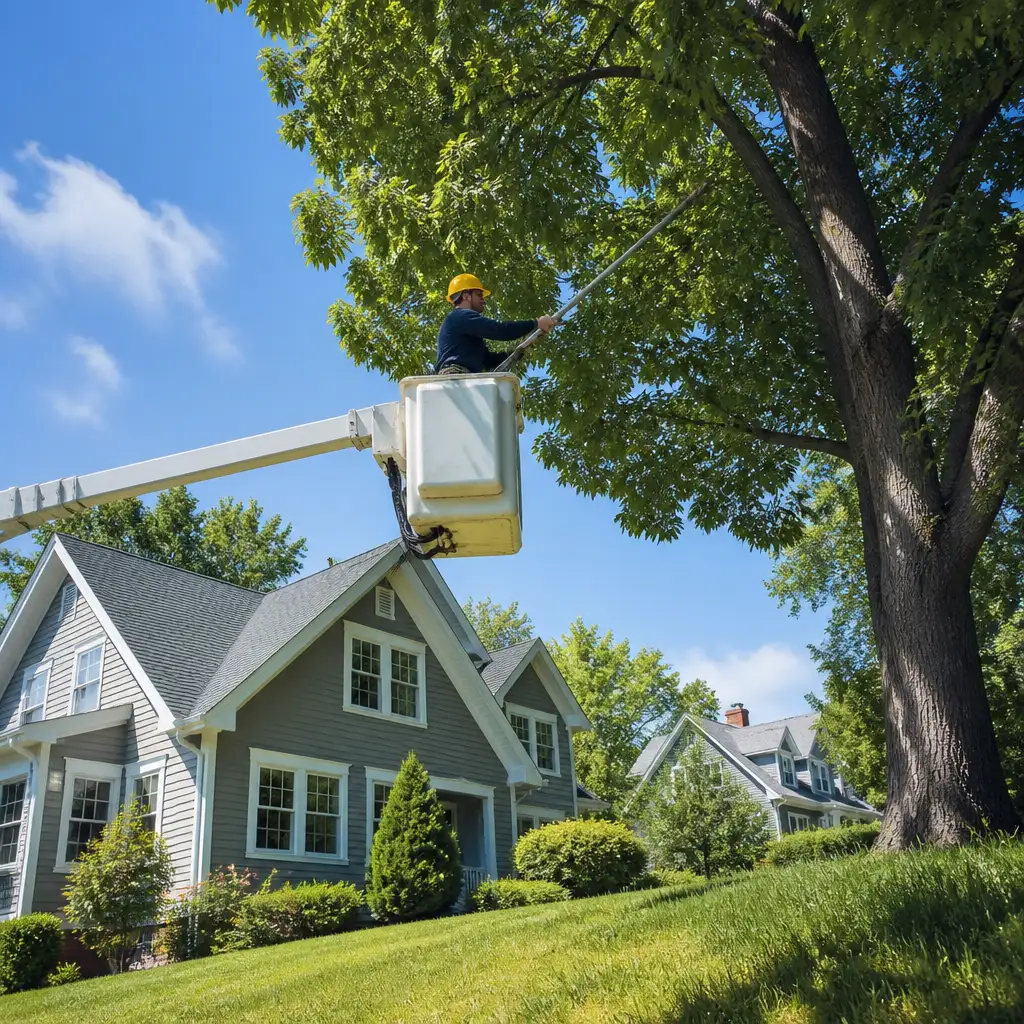
Managing multiple rental properties in Dartmouth, MA means balancing tenant safety, curb appeal, and budget — and healthy trees touch all three. Summer brings growth, storms, and increased tree load, so proactive tree maintenance can prevent dangerous failures that lead to late-night emergency calls and costly repairs.
This article focuses on a summer-forward, practical checklist for property managers overseeing rental units. We’ll cover inspection timing, prioritization across property types, hands-on trimming and pruning guidance, and communication strategies that lower emergency tree service needs while protecting tenants and assets.
Norman Tree Service draws on local experience across Southeastern Massachusetts to recommend steps rental managers can take now in Dartmouth and nearby communities like New Bedford and Fall River. Following a clear schedule and simple priorities helps reduce risks from storm-damaged or hazardous trees and keeps tenants safer year-round.
Summer Tree Maintenance Checklist for Rental Properties in Dartmouth
This season-focused checklist targets the most common summer risks for rental properties: heavy foliage, weakened branches, storm exposure, and tenant safety concerns. Use it to create a repeatable plan across single-family rentals, duplexes, and multi-unit complexes.
Checklist highlights:
- Visual walkaround every 4–6 weeks during active growing season
- Quarterly detailed inspections (spring, early summer, late summer, fall)
- Priority pruning of dead or rubbing limbs
- Safety clearance checks around roofs, walkways, and parking areas
- Pre-storm securement and removal scheduling
For hands-on work like crown thinning or clearance pruning, consider bringing in professionals who provide proper tree maintenance and reduce the chance of accidental damage. If you need guidance on pruning scope or timing, our team offers seasonal services and can advise on work that keeps trees healthy without disrupting tenants.
Inspection Schedule: When and What to Look For
A clear inspection schedule keeps small issues from becoming emergencies. For rental properties in Dartmouth aim for these intervals: a full property inspection in late spring, a mid-summer check, and a pre-fall inspection. More frequent visual checks by property staff help spot urgent concerns between professional visits.
During inspections, look for these warning signs: hanging or cracked limbs, large dead branches, lean that’s recent or increasing, cavities or visible decay, root heave, and soil sinking near trunks. Also evaluate clearance from roofs, gutters, and utility lines — reducing contact prevents storm-related damage and safety hazards.
Document findings with photos and simple notes tied to each unit. That record helps you prioritize work and track whether a condition is stable or worsening. When you see indicators of decay or structural instability, it’s time to consult professionals for possible hazardous tree removal or targeted pruning.
Prioritizing Trees: Which Units and Trees Need Attention First
With multiple properties, you’ll need a system to decide which trees get attention first. Prioritize trees that pose the highest risk: those near roofs, over parking areas, adjacent to high-traffic walkways, or leaning toward buildings. Also give priority to units with tenants who report structural concerns or visible limb failures.
Use a simple scoring method: assign points for proximity to structures, signs of decay, recent storm damage, and tenant impact. Trees with the highest scores get scheduled first. This helps you make defensible budget decisions and reduce emergency service calls by addressing likely failure points before storms hit.
Rotate work by property type to balance maintenance across your portfolio. For example, schedule high-priority work on multi-unit complexes in early summer, then handle single-family rentals mid-summer. Keep tenants informed about timelines and safety procedures to minimize inconvenience and maintain trust.
Practical Tree Trimming and Pruning Tips to Reduce Hazards
Proper trimming and pruning can remove hazard limbs, improve structure, and reduce wind resistance — lowering the chance of damage in summer storms. Focus on removing deadwood, shortening long lateral branches that overhang roofs or walkways, and thinning dense crowns where wind can catch foliage.
Avoid topping or overly aggressive cuts that stress trees. Instead, follow best-practice pruning: make clean cuts at the branch collar, remove small branches rather than large stubs, and keep pruning to no more than 10–15% of live crown in a single season for most species. When in doubt, hire a licensed and insured tree care professional to evaluate complex pruning needs.
Routine tree trimming services improve long-term tree health and reduce future risk. If you’re scheduling multiple properties, bundle pruning work by neighborhood to get efficiencies from crews and equipment, and to limit disruption to tenants. For guidance on service options, Norman Tree Service is available to discuss seasonal tree trimming plans tailored to rental properties.
Storm Preparation and Hurricane Readiness for Summer in Dartmouth
Summer in Southeastern Massachusetts includes the peak of hurricane season. Preparing trees before storms reduces the need for emergency tree services afterward. Start by trimming vulnerable limbs, securing or removing weak trees near buildings, and clearing debris from rooflines and gutters to avoid secondary damage from falling material.
Identify trees with root problems or significant lean and schedule professional evaluation; these may need removal or cabling to reduce collapse risk. Keep emergency contact info handy and communicate an emergency plan to tenants so they know how to report downed branches or blocked access routes quickly.
Equipment and safe work practices matter during storm preparation. Professional crews with bucket trucks and rigging experience can perform high-clearance work safely and efficiently, reducing property impact and downtime. Using experienced teams minimizes liability and helps get properties back to normal after severe weather.
Reducing Emergency Calls: Maintenance, Communication, and Response Plans
Reducing emergency calls relies on a combination of regular maintenance and clear tenant communication. Maintain a visible inspection log, share seasonal maintenance calendars with tenants, and provide a simple reporting process for hazards. Timely tenant reports let you intervene before a situation becomes an after-hours emergency.
Develop a vendor response plan that includes your licensed and insured tree service provider, contact numbers, and priority levels for different types of incidents. When an urgent tree issue arises, you’ll know whether to dispatch emergency tree services or schedule a next-day maintenance crew, which can save money and keep tenants safe.
Budget for preventative work — small investments in pruning and hazard reduction often prevent expensive emergency removals and property repairs. Also note available community supports and discounts: Norman Tree Service offers a 10% veterans discount for eligible property owners and tenants, reflecting our local commitment to service.
For scheduling or urgent questions about tree care on your rental properties, contact Norman Tree Service to speak with experienced tree professionals who serve Dartmouth and the surrounding region.
Frequently Asked Questions
Q: How often should rental property trees be professionally inspected?
A: For most rental portfolios, plan a professional inspection at least twice a year — spring and late summer — plus visual walkarounds monthly during the growing season. Properties with older or problem trees may need quarterly inspections to reduce emergency tree services.
Q: Can my maintenance staff safely perform pruning to reduce limb hazards?
A: Maintenance staff can handle minor work like clearing small branches away from walkways or gutters, but any work involving roofs, large limbs, or trees near utility lines should be handled by a licensed and insured tree service to ensure safety and proper pruning technique.
Q: What should I do immediately after a summer storm damages trees on a rental property?
A: First, ensure tenant safety and restrict access to dangerous areas. Then document damage with photos, contact an experienced provider for an assessment, and determine whether emergency tree removal or temporary stabilization is needed. Having pre-arranged emergency contacts speeds resolution and reduces tenant disruption.
Routine tree maintenance is one of the best ways to protect your property and reduce the likelihood of future problems. Norman Tree Service offers professional maintenance services designed to keep your trees healthy and safe year-round.