
Why Scheduled Tree Maintenance Matters for Waterfront Properties in Westport, MA: A Practical Plan for Business and Home Owners
Introduction
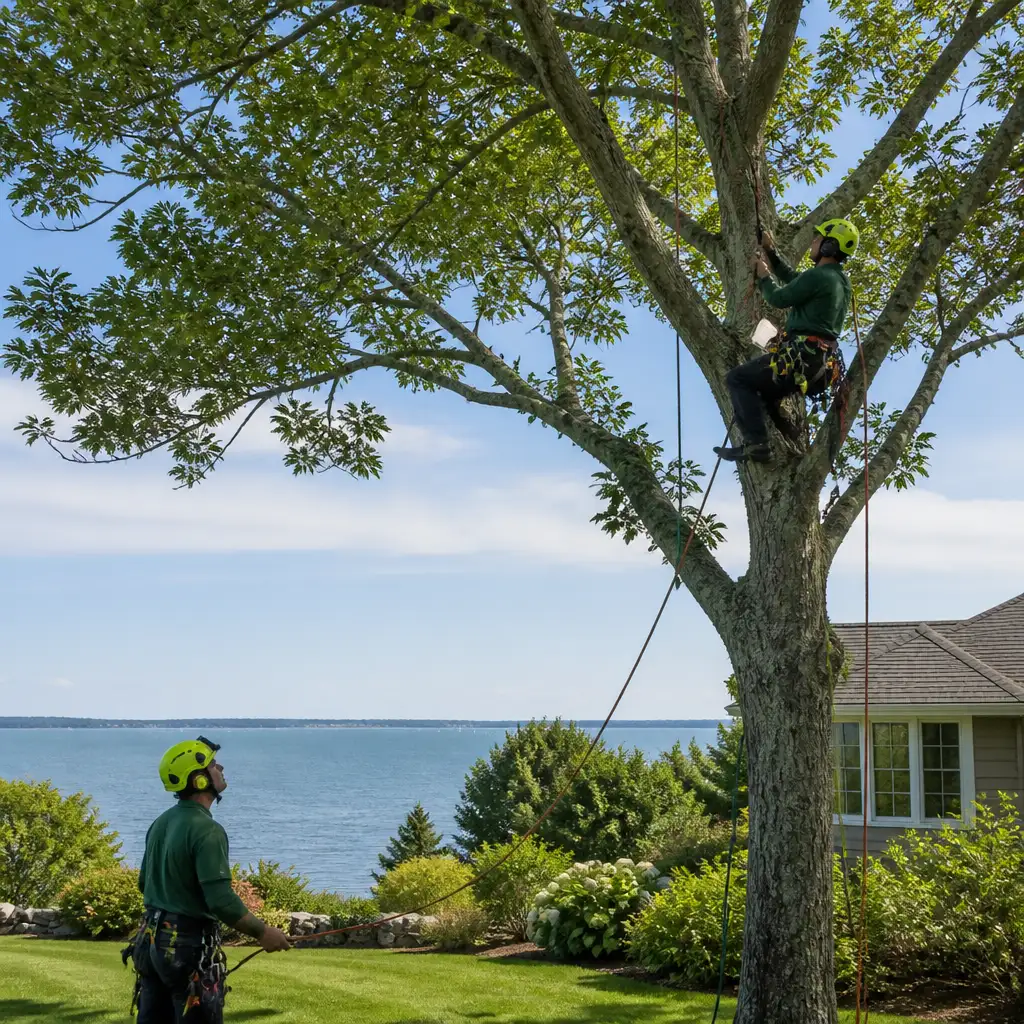
Westport’s coastal setting is part of what makes the town special, but waterfront properties face unique challenges when it comes to trees. Salt spray, strong onshore winds and occasional nor’easters can stress trees that would otherwise be stable inland. For homeowners and business owners, that stress increases the risk of broken limbs, salt burn and structural weaknesses that can lead to emergency situations.
Scheduled tree maintenance tailored to waterfront conditions helps reduce hazards, preserve the landscape and lower the number of costly emergency call-outs year-round. A planned approach — combining annual inspections, seasonal checks and clear communication with property managers or facility teams — keeps both trees and people safer.
Norman Tree Service brings local knowledge of Westport and Southeastern Massachusetts to every job. As a fully licensed and insured Southeastern Massachusetts tree service, we focus on practical, safety-first maintenance that protects properties while promoting healthy tree growth. For general company information, visit the Norman Tree Service homepage.
How salt spray and coastal winds affect trees on waterfront properties
Salt-laden air can damage foliage and reduce a tree’s ability to photosynthesise, leaving it more susceptible to pests and disease. On waterfront properties in Westport, that salt exposure is compounded by persistent winds that place mechanical stress on trunks and branches. Over time, this can lead to structural weaknesses that are not always obvious from ground level.
Wind-pruned trees — trees that have grown with one-sided canopies because of prevailing winds — are common on the coast. While these shapes can be stable when healthy, they require careful monitoring. A weakened root system or internal decay can turn a wind-shaped tree into a hazard during heavy storms or when saturated soils reduce anchoring strength.
Regularly scheduled tree maintenance helps catch subtle signs of decline early. Look for crown dieback, repeated limb failures, fungal fruiting bodies, or cracked bark near branch unions. These are indicators that professional assessment or targeted action may be needed to reduce the likelihood of failure.
Annual inspection checklist for Westport waterfront properties
An annual inspection is the cornerstone of a year-round maintenance plan. For waterfront properties, inspections should evaluate salt damage, structural stability, root conditions and creek- or marsh-side erosion that can expose roots. A qualified inspector looks beyond surface symptoms to assess long-term risk.
Key items on a practical annual checklist include: assessing for salt scorch on leaves, inspecting branch unions for included bark or cracks, checking trunk bases for cavities or decay, looking for signs of root heave or soil loss, and reviewing previous pruning cuts for proper healing. Documenting findings helps property owners track changes from year to year.
Annual inspections are also a good time to coordinate with other property teams. For commercial sites, include facility managers and maintenance crews in scheduling. For residential properties, share notes with the household and local contractors to ensure follow-up tasks — such as targeted pruning or hazard removal — are prioritised before storm season.
Seasonal checks: spring, summer, fall and winter tasks
Breaking maintenance into seasonal actions keeps tasks manageable and ensures readiness for local conditions. In spring, focus on winter damage assessments and structural pruning where needed. Remove broken limbs, correct any dangerous cambium injuries and evaluate new growth for salt stress or pest activity.
Summer is the time for proactive health work: targeted pruning to improve structure, treating or monitoring pests, and ensuring that trees have adequate mulching to protect roots from drought and salt intrusion. It’s also a prime season to prepare for hurricane or tropical storm threats by addressing any obvious hazards.
Fall and winter work should emphasise hazard reduction and emergency preparedness. Remove dead wood, trim limbs that overhang roofs or access routes, and stabilise trees with compromised anchors before heavy winds or saturated soils arrive. During winter, watch for ice and snow loading risks and keep emergency contact plans current.
Practical maintenance plan for commercial properties and property managers
Commercial waterfront properties often have higher footfall and more infrastructure at risk. Property managers should adopt scheduled maintenance contracts that include annual professional inspections, quarterly visual checks and seasonal pruning windows. This predictable cadence reduces surprises and helps budget for tree care costs across the year.
Coordination is essential. Integrate tree maintenance with groundskeeping schedules and storm preparedness plans. Establish clear lines of responsibility for reporting hazards — for example, a dedicated maintenance portal or a single contact who can contact Norman Tree Service to request assistance. For issues requiring more than pruning, such as dangerous or decayed trees close to buildings, a professional assessment may recommend safe tree removal or hazardous tree removal measures.
Commercial clients should also prioritise crews that use modern equipment and follow industry safety standards. Choosing a licensed and insured team provides protection and accountability when work occurs near structures, parking areas, or utility lines. Regular maintenance reduces emergency tree services needs and keeps facilities open and safe.
Practical maintenance plan for homeowners and small businesses
Homeowners and small business owners can get the most value from a simple, repeatable maintenance plan. Start with an annual professional inspection in late winter or early spring to assess winter damage and plan corrective pruning. Combine that with a mid-summer check for pest or salt damage and a fall hazard trim to remove deadwood before winter storms.
Targeted pruning and routine canopy thinning help reduce wind sail and lower the chance of branches impacting roofs, driveways or signage. For many properties, professional tree trimming services twice a year — one focused on structure and one on hazard reduction — is an effective strategy that balances tree health with safety.
Don’t forget to ask about discounts: Norman Tree Service offers a 10% veterans discount, which helps make regular maintenance more affordable for those who served. Small, scheduled investments in tree care often prevent significantly higher costs associated with emergency call-outs.
Reducing emergency call-outs: hazard reduction and storm response planning
Planned maintenance directly reduces emergency call-outs by addressing vulnerabilities before they fail. Removing dead limbs, correcting structural defects and monitoring soil stability are all proactive steps that prevent sudden incidents during storms. For waterfront properties, clearing hazards that might be driven into structures by wind or waves is especially important.
Include an emergency response plan that identifies who to call, priorities for access and safety and a staged response based on severity. Keep local emergency numbers and a trusted emergency tree services contact on hand for true urgent situations. Having an established relationship with an experienced crew speeds response time and reduces secondary damage.
When discussing emergency readiness with your team or neighbours, emphasise regular communication and documentation. Photographs from annual inspections and dated reports make it easier to justify necessary work and support quicker decisions in the event of severe weather or storm damage. For urgent incidents or storm-related failures, Norman Tree Service provides emergency tree services across Southeastern Massachusetts to help restore access and safety quickly.
Frequently Asked Questions
Q: How often should trees on a Westport waterfront property be inspected?
A: At minimum, have a professional inspection annually, with additional seasonal checks in spring and fall. Properties exposed to severe salt spray or frequent storms may benefit from twice-yearly professional inspections and more frequent visual checks by the owner or property manager.
Q: Will routine tree maintenance prevent the need for emergency tree services?
A: Routine maintenance significantly reduces the likelihood of emergencies by identifying and mitigating hazards early. While it cannot eliminate all risks—especially from extreme storms—scheduled pruning, hazard removal and soil/root monitoring lower emergency call-outs and the severity of storm-related damage.
Q: What should a property manager ask for when scheduling maintenance with a tree service?
A: Ask for a clear inspection report, recommended actions with priorities, proof of licensing and insurance, and a timeline for work. For ongoing work, set seasonal windows for pruning and an agreed emergency response protocol. You can also request an estimate to plan budgets and schedules.
Routine tree maintenance is one of the best ways to protect your property and reduce the likelihood of future problems. Norman Tree Service offers professional maintenance services designed to keep your trees healthy and safe year-round.