
Signs You Need Emergency Hazardous Tree Removal in Fall River, MA After Severe Storms
Introduction
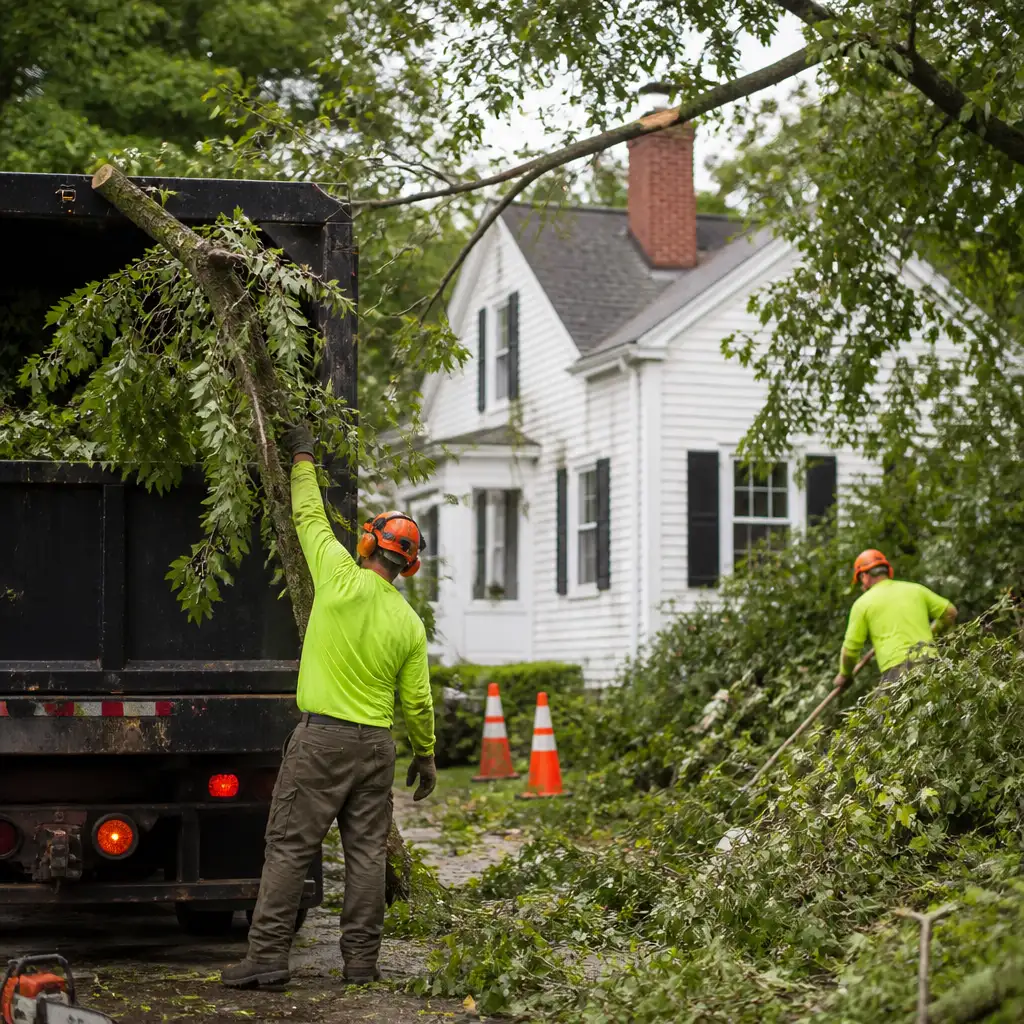
Severe summer and autumn storms can leave a trail of damage across Fall River, MA, and nearby communities. After the wind has died down, many homeowners and business owners are left wondering which trees are simply battered and which present an immediate danger. Understanding the difference matters — a compromised tree can threaten roofs, vehicles, power lines, and the safety of people on the property.
In this post‑storm checklist we focus on recognising hazardous trees that require urgent action, practical safety steps you can take right away, and clear guidance on when to call emergency help. Norman Tree Service responds to storm damage throughout Southeastern Massachusetts and aims to help property owners recover quickly while protecting their property.
Whether you manage a home in Fall River, a business in New Bedford, or a property in Dartmouth, the advice below is tailored to the local seasonal pattern of summer and fall storms and the kind of tree failures we commonly see in the region.
How to spot hazardous trees after a severe storm
After a storm, start with a visual sweep from a safe distance. Look for obvious signs such as major splits in the trunk, large hanging limbs (widowmakers), trees leaning at a new angle, and exposed or heaved roots. Dead trees — those without leaves when nearby trees are in leaf — are especially prone to sudden failure. These are common indicators that a tree may require hazardous tree removal.
Also inspect for structural decay. Cavities or fungal conks (mushroom‑like growths) on trunks and major branches can mean internal rot that makes a tree unpredictable after wind or lightning strikes. In areas near buildings or high‑traffic routes, even smaller signs of instability should be treated seriously because the consequence of failure is greater.
Finally, check for signs of root damage: cracked or uplifted soil at the base, or trees that have shifted from plumb. Root failure is often not obvious until it’s nearly too late. When in doubt, it’s safer to treat the tree as hazardous and seek professional assessment from trained crews.
Immediate safety steps to take on your Fall River property
Your first priority is safety. Keep people and pets away from the area around a damaged tree. If branches have fallen on power lines or there is electrical arcing, maintain a wide perimeter and contact the utility company immediately — never approach a tree contacting a live line. For non‑electrical hazards, create a barrier with tape or cones and call for professional help.
Document damage with photos from a safe distance for insurance claims, but avoid climbing or attempting to remove large branches yourself. DIY efforts with chainsaws or makeshift rigging can make a hazardous situation worse and are a common cause of injury in post‑storm cleanups. If access routes are blocked, prioritise clearing a safe path for emergency responders rather than tackling risky removals.
If a tree is threatening a building or blocking access to your property, contact experienced providers who offer emergency tree services. Norman Tree Service operates storm response teams across Southeastern Massachusetts and can advise on temporary measures to reduce immediate risk while preparing a safe removal plan. For urgent situations, get in touch with professionals who provide reliable emergency tree services so that you protect both people and property.
When to call emergency hazardous tree removal services
Not every storm‑damaged tree needs removal, but call emergency hazardous tree removal when a tree is clearly unstable and poses imminent risk. Specific scenarios include: trees leaning into structures, large limbs suspended over roofs or vehicles, trees split with a hanging canopy, and any tree affecting power lines. Rapid response reduces the chance of collapse during subsequent winds or thaw cycles.
Other signs that warrant an emergency call are visible root plate movement, loud cracking noises from a tree, or heavy, fresh splits in the trunk. If a tree has fallen but is precariously balanced against another tree or structure, it creates a complex and hazardous situation best handled by trained crews. Attempting to dislodge a hung tree without proper rigging risks sudden movement and further damage.
For residents and businesses in Fall River and surrounding towns, knowing who to call is vital. Norman Tree Service provides rapid assessments and can prioritise jobs based on threat level and public safety. When a tree is making access difficult or jeopardising electric service, contact a professional team experienced in storm response and hazardous tree removal.
What licensed and insured crews do during emergency removal
Choosing a licensed and insured tree service matters: it protects you, the property owner, and ensures the crew follows safety regulations and industry best practice. A professional emergency crew will begin with a careful risk assessment, planning a removal that minimises impact to structures, landscaping and utilities. They’ll use proper rigging, cutting sequences and equipment suited to the job.
Crews will also manage traffic and access safety if a removal affects driveways or roads. For trees near power lines, professionals coordinate with utilities to de‑energise lines or work under utility‑approved procedures. Modern equipment and trained climbers or bucket trucks allow teams to remove hazardous trees in sections, reducing the noise, mess, and chance of collateral damage.
Insured teams provide documentation you may need for insurance claims and demonstrate accountability should anything unexpected occur. Norman Tree Service’s teams are experienced in high‑risk removals across Southeastern Massachusetts and operate under strict safety procedures to protect clients and workers alike.
Seasonal considerations for fall storm recovery in Southeastern Massachusetts
Fall is a peak time for storm recovery. Trees are often heavy with remaining leaves, and weather swings can bring strong gusts and saturated soils that reduce root stability. This seasonal combination increases the likelihood of whole‑tree failure after a summer or autumn storm. Prioritising hazardous tree removal in the weeks after a storm helps prevent further incidents during the coming winter.
Leafed trees catch more wind than bare ones, so branches weakened in an autumn storm may fail again in subsequent weather events. In coastal and riverfront neighbourhoods, salt spray and higher wind exposure can accelerate decay and structural weakening. Local crews are familiar with these regional patterns and can recommend timely interventions based on seasonal risk.
When planning recovery, factor in municipal schedules and utility company coordination, which can affect timing. If branches have fallen into roads or blocked key access, emergency teams can often respond outside normal business hours to prioritise safety. For less urgent damage, a scheduled hazardous tree removal after a professional inspection may be the most cost‑effective route.
Preventative tree maintenance to reduce future storm risks
After the immediate danger is addressed, long‑term tree maintenance reduces the chance of future emergencies. Regular inspections, targeted pruning, and selective removal of compromised trees form the backbone of good storm preparation. Professional tree trimming services can improve branch structure and remove decay before it becomes a hazard.
Annual or seasonal evaluations are especially valuable for properties throughout Southeastern Massachusetts where soil types and coastal exposure vary. A maintenance programme tailored to your property helps prioritise work and budget for larger projects, lowering the likelihood of sudden hazardous tree removal in future storms.
For homeowners and businesses, combining routine maintenance with a relationship with a dependable local crew offers peace of mind. Norman Tree Service provides tree maintenance and pruning advice and can help develop a plan that balances tree health, aesthetics, and long‑term safety.
Frequently Asked Questions
Q: How quickly should I call after a storm if I suspect a hazardous tree?
A: Call as soon as the area is safe to approach. If the tree threatens structures, power lines, or access, treat it as urgent and contact emergency tree services immediately so crews can assess and prioritise the risk.
Q: Can I remove a fallen branch myself to reduce risk?
A: Small, low branches away from structures may be cleared safely, but never attempt to remove large limbs, hangers, or trees leaning on buildings or power lines. These situations require professional rigging and equipment to avoid injury and further damage.
Q: Why is hiring a licensed and insured tree service important?
A: Licensed and insured companies follow safety standards, use appropriate equipment, and provide liability protection. If damage occurs or a worker is injured, insurance and proper credentials protect you as the property owner and ensure professional accountability.
Storm damage and fallen trees can create dangerous situations that require immediate attention. Norman Tree Service provides emergency tree services throughout Southeastern Massachusetts and is prepared to respond when urgent tree-related issues arise.